Slab Leak Detection in San Diego
San Diego Leak Detection Pros uses acoustic sensors, thermal imaging, and pressure testing to locate slab leaks beneath concrete foundations with pinpoint accuracy – without tearing up floors, walls, or landscaping. C-36 licensed, 300+ slab leaks found across San Diego.
- C-36 Licensed & Insured
- 300+ Slab Leaks Found
- Same-Day Service Available
- Upfront Pricing - No Hidden Fees
Key Takeaways for Slab Leak Detection in San Diego
- Early detection is critical to prevent costly structural damage and rising water bills.
- Common warning signs include sudden bill increases, warm floor spots, and unexplained moisture or odors.
- Modern detection uses non-invasive technology like acoustic listening devices, thermal imaging, and electronic line tracing.
- San Diego homes face higher risk due to aging plumbing, hard water, and soil or seismic movement.
- Most slab leaks are caused by copper pipe corrosion and pinhole leaks over time.
- Professional leak detection is cost-effective compared to unnecessary excavation or demolition.
What Is a Slab Leak?
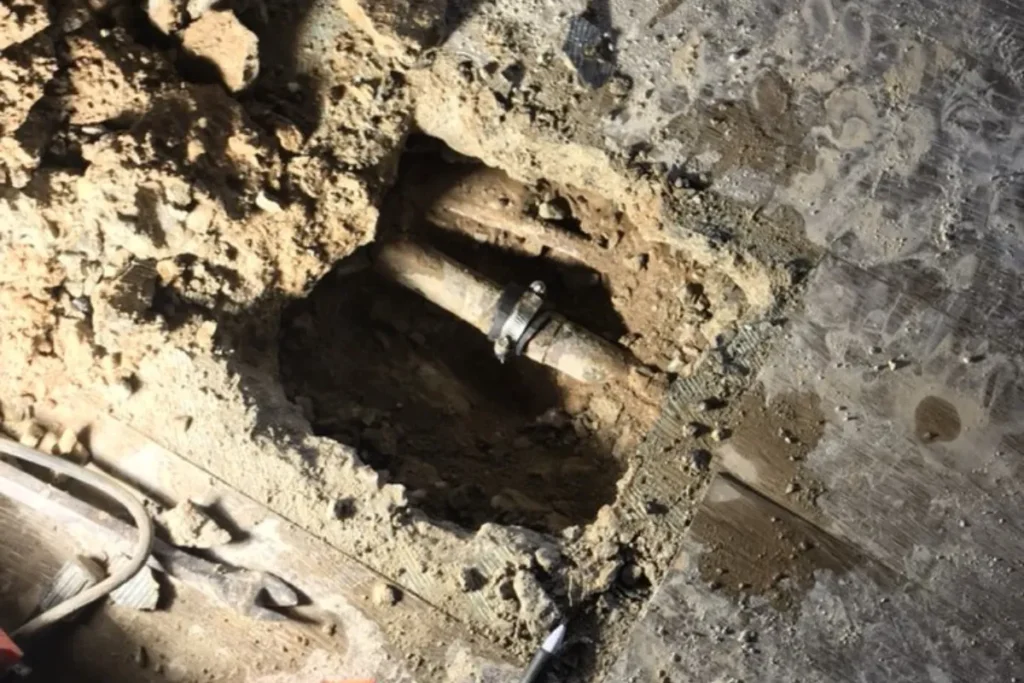
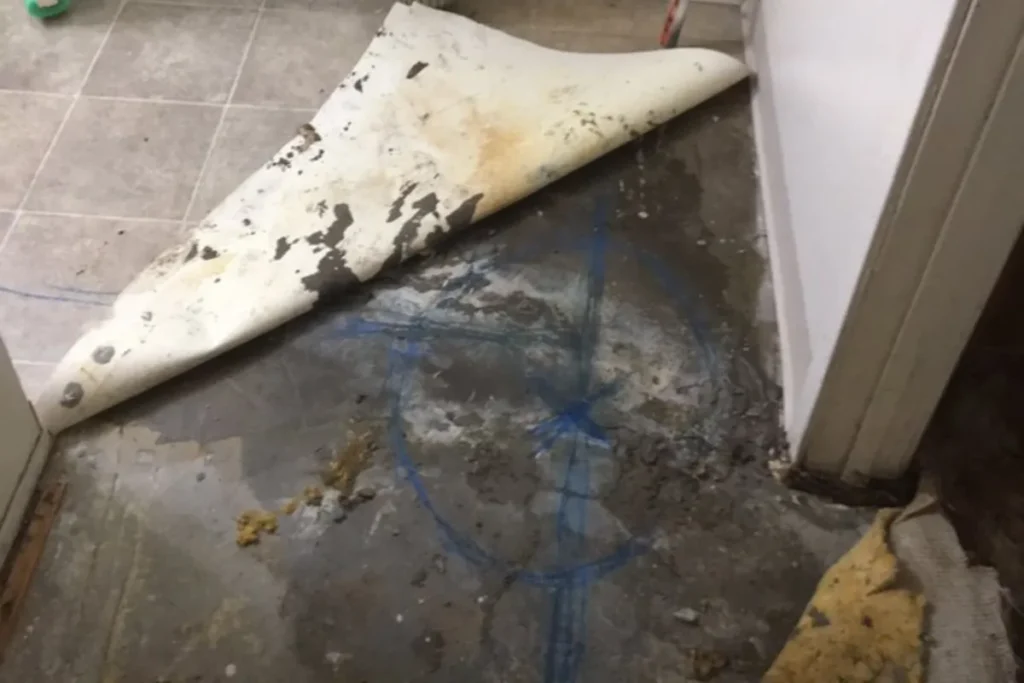
A slab leak is a leak or break in the water supply pipes located beneath a home’s concrete slab foundation. Since these pipes are buried under concrete, the leak is hidden and can go unnoticed for a long time, often leading to water damage, foundation movement, and unusually high water bills if not detected early.
For example, a homeowner may notice a warm or damp spot on the floor or hear water running even when all taps are turned off. This can be a sign of a hidden slab leak underneath the foundation.
8 Warning Signs of a Slab Leak
If you have a slab leak in San Diego, there are several early warning signs that can help you detect it before it causes serious damage. These leaks often go unnoticed for a long time, but can lead to high water bills, foundation damage, and structural issues if not addressed early.
Unexplained Water Bill Spike
A sudden 20-50% increase with no change in usage is often the first sign. Even a small slab leak can add – per month to your water bill.
Warm Spots on the Floor
Hot water slab leaks create localized warm areas on concrete floors. These are often the first visible sign of a hot water line failure beneath the slab.
Sound of Running Water
Hearing water running when all faucets, fixtures, and appliances are turned off means water is escaping somewhere in the plumbing system – often beneath the slab.
Damp or Wet Flooring
Unexplained wet spots on carpets, tile, or baseboards near slab areas suggest water is migrating up through the concrete from a leak below.
Low Water Pressure
A slab leak diverts water flow, reducing pressure at fixtures throughout the home. This is especially noticeable when multiple fixtures run simultaneously.
Foundation Cracks or Shifting
Water escaping under the slab erodes supporting soil, causing the foundation to settle unevenly. Cracks in walls, floors, doors that stick, or exterior masonry may follow.
Musty Odors or Mold
Mold and mildew thrive in moist environments. A persistent musty smell near floors is a strong indicator of hidden moisture beneath the slab.
Moss or Algae Near Foundation
Standing water near the home’s perimeter or unusual plant growth along the foundation line can indicate a slab leak is saturating the surrounding soil.
Why San Diego Homes are Prone to Slab Leaks
San Diego County has three converging factors that make slab leaks more common than in most other regions. Understanding these local risk factors helps homeowners recognize why proactive detection matters.
Factor 1: Hard Water (270-300 ppm)
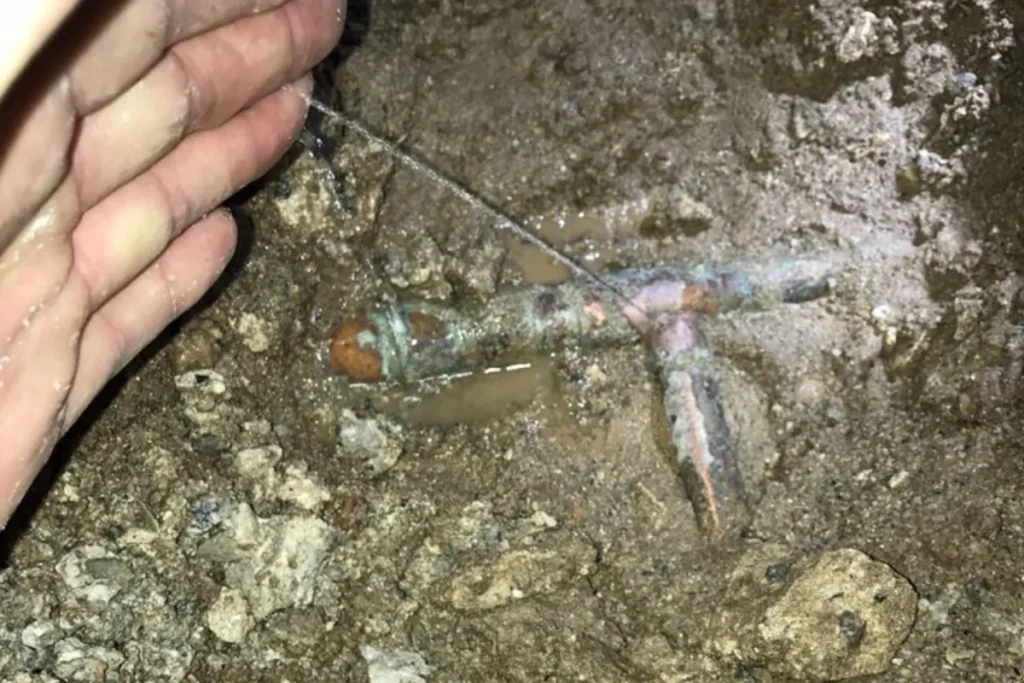
San Diego has some of the hardest water in California. This mineral-heavy water accelerates copper pipe corrosion from the inside, creating pinhole leaks that typically develop 15-30 years after installation.
According to research from Virginia Tech’s Department of Civil Engineering, pinhole leaks in copper plumbing are a widespread concern, with hotspot communities sharing high hardness and specific mineral compositions—all describing San Diego’s municipal water supply.
Factor 2: Expansive Clay Soils
San Diego’s clay soils shift significantly as moisture levels change, placing repeated stress on copper pipes embedded in or beneath concrete slabs. During dry periods the soil shrinks, during wet periods it expands. This constant movement fatigues copper pipes until they develop cracks or pinhole failures.
Factor 3: Aging Copper Plumbing
A large percentage of San Diego homes were built before 1990 with copper supply lines that are now reaching the end of their expected service life. Homes built before 1970 face the highest risk. Coastal communities experience additional corrosion from salt air, while hillside neighborhoods see more soil movement stress.
San Diego Leak Detection Pros understands these local risk factors and factors them into every slab leak detection assessment. We know where slab leaks typically develop in San Diego homes and what detection methods work best for our region’s specific conditions.
How San Diego Leak Detection Pros Finds Slab Leaks
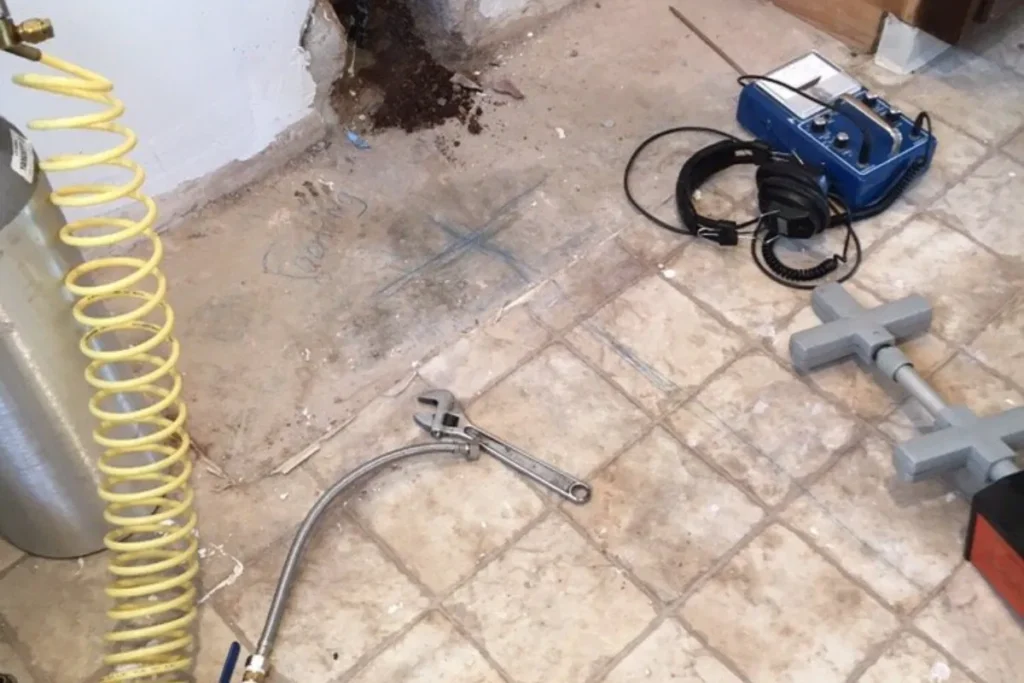
We follow a proven four-step detection process using specialized non-invasive equipment to locate slab leaks without unnecessary demolition. Our goal is always to pinpoint the leak with minimal disruption to your home.
1. System Assessment & Water Meter Confirmation
We start by confirming the leak exists. We check the water meter for continuous movement with all fixtures off, isolate sections of the plumbing system, and identify whether the leak is on the hot or cold water side. This initial step rules out other causes and narrows the search area before any equipment is deployed.
2. Non-Invasive Detection (Acoustic & Thermal)
Using acoustic listening equipment, thermal imaging cameras, and moisture meters, we scan the slab area to pinpoint the exact leak location. Acoustic sensors amplify the sound of water escaping from pressurized pipes through concrete. Thermal imaging detects temperature variations on the slab surface caused by hot water leaks. We narrow the leak location to within inches before any concrete access is considered.
3. Pressure Testing & Verification
We conduct pressure tests on the affected supply lines to confirm the leak location and assess whether the failure is isolated or part of a broader pipe deterioration issue. This information helps us recommend the most appropriate repair strategy—whether a spot repair, pipe reroute, or whole-house repipe.
4. Clear Findings & Insurance Documentation
We explain exactly what we found, show you the evidence including thermal images and test results, and provide a written summary of the leak location with marked areas. This documentation supports insurance claims and gives you a clear understanding of your options before any repair work begins. We never pressure you into a repair decision on the spot.
What Equipment Do We Use for Slab Leak Detection?
San Diego Leak Detection Pros uses industry-leading detection equipment to locate slab leaks with precision. Our toolset includes six specialized categories of diagnostic tools. We combine multiple methods to cross-verify the leak location before recommending any repair approach.
Acoustic Listening Devices
Amplify the sound of water escaping from pressurized pipes beneath concrete and flooring materials.
Thermal Imaging Cameras
Detect temperature differences on slab surfaces caused by hot water slab leaks.
Pressure Testing Gauges
Isolate and test individual pipe sections to confirm leak location and assess pipe condition.
Moisture Meters
Measure moisture content in concrete and flooring materials to identify saturation patterns.
Pipe Tracing Equipment
Map the exact path of supply lines beneath the slab foundation to plan precise access points.
Line Isolation Tools
Shut off specific plumbing branches to efficiently narrow the search area and reduce testing time.
How Much Does Slab Leak Detection Cost in San Diego?
Professional slab leak detection in San Diego usually costs between $150 and $600, depending on the property, leak location, and testing method needed. For most homes, the average diagnostic visit falls around $250 to $400 when the leak can be located with standard non-invasive equipment.
Breakdown of Slab Leak Detection Cost by Method
Because slab pipes are hidden under concrete, plumbers use specialized diagnostic tools to locate the leak without unnecessary demolition. The total cost depends on which testing method is needed and how difficult the leak is to isolate.
| Detection Method | Estimated Cost | Best Used For | What It Does |
|---|---|---|---|
| Acoustic Listening Devices | $150–$300 | Hidden water line leaks | Uses ground microphones and sound amplifiers to detect the noise of water escaping beneath the slab. |
| Thermal / Infrared Imaging | $200–$400 | Hot water slab leaks | Tracks temperature changes under flooring to help identify where a hot water line may be leaking. |
| Video Pipe Inspection | $250–$500 | Sewer line or drain leaks | Sends a small camera through the pipe to locate cracks, breaks, blockages, or damaged drain lines. |
| Hydrostatic Pressure Testing | $250–$500 | Confirming active leaks | Pressurizes the plumbing system with water or air to check for pressure loss and confirm a leak. |
Why Choose San Diego Leak Detection Pros?
We bring specialized expertise, advanced equipment, and a commitment to honest service to every slab leak detection appointment. Here’s why San Diego homeowners trust us.
C-36 Licensed & Insured
Fully licensed California plumbing contractors with comprehensive general liability and workers’ compensation insurance for your protection.
300+ Slab Leaks Found
Fully licensed California plumbing contractors with comprehensive general liability and workers’ compensation insurance for your protection.
Non-Invasive Methods First
We always start with acoustic, thermal, and pressure testing before any concrete access is considered. No guesswork, no unnecessary demolition.
Upfront Pricing & No Surprises
Written estimates before any work begins. No overtime charges for nights or weekends. What we quote is what you pay.
Insurance Claim Support
Detailed reports with thermal images, test results, and location summaries designed for submission to all major insurance carriers.
San Diego County Coverage
We serve all major cities and communities from Oceanside to Chula Vista, Carlsbad to El Cajon, with same-day service available.
FAQs About Slab Leak Detection
Common questions San Diego homeowners ask about slab leak detection, costs, and prevention.
How do you detect a slab leak without tearing up my floor?
San Diego Leak Detection Pros uses non-invasive methods including acoustic listening devices to hear water escaping, thermal imaging cameras to detect temperature differences from hot water leaks, and pressure testing to isolate the affected pipe section. These tools pinpoint the leak location within inches before any concrete is accessed, often avoiding the need for exploratory demolition entirely.
Does homeowners insurance cover slab leak detection and repair?
Many California homeowners insurance policies cover slab leak detection and repair, especially when the leak causes property damage. Coverage typically includes accessing the leak and repairing the pipe, though the specific policy deductible and terms vary. San Diego Leak Detection Pros provides detailed documentation including thermal images, test results, and written findings to support insurance claims.
How long does slab leak detection take?
Most slab leak detection appointments take 1 to 2 hours, depending on the complexity of the plumbing system and how difficult the leak is to isolate. Simple leaks on accessible lines may be located in under an hour. Complex situations involving multiple potential leak sites, thick slabs, or limited access may require additional time.
What causes slab leaks in San Diego homes?
Slab leaks in San Diego are primarily caused by copper pipe corrosion from hard water measuring 270-300 ppm, soil shifting from expansive clay, high water pressure, and aging plumbing in homes built before 1990. Seismic activity and salt air in coastal communities accelerate pipe deterioration. Homes built before 1970 face the highest risk.
Can a slab leak cause foundation problems?
Yes. Water escaping under your slab erodes supporting soil and can saturate expansive clay, causing it to swell. This leads to uneven foundation settlement, cracking in walls and floors, doors that stick, and structural damage. Undetected slab leaks cause structural damage in 20% of Southwest US homes. Early detection is critical to protecting your foundation.
Are slab leaks more common in older homes?
Yes. Homes built before 1990, and especially before 1970, face significantly higher slab leak risks due to aging copper plumbing. The typical service life of copper supply lines in San Diego’s hard water conditions is 20-40 years. Modern homes built with PEX piping show substantially lower slab leak rates. If you own a pre-1990 home in San Diego, proactive detection is recommended.