
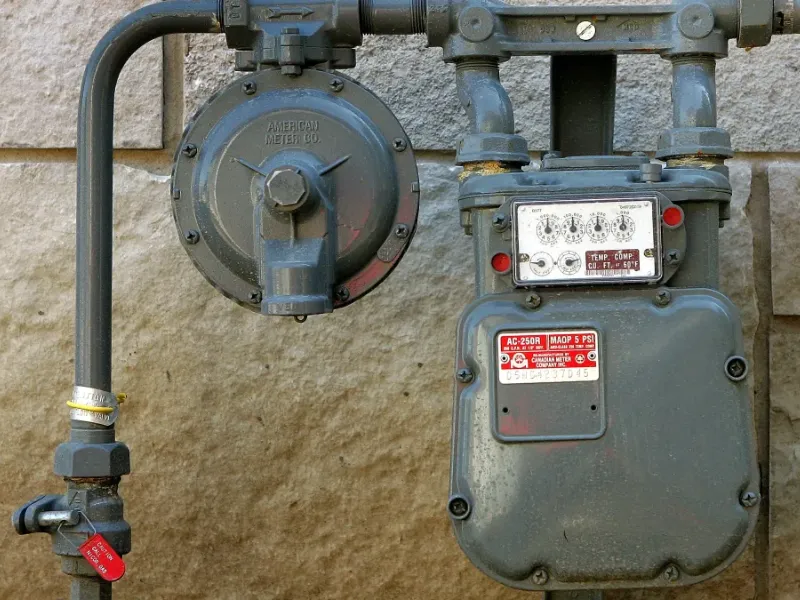
Gas Leak Repair
Code-compliant repair of gas lines, fittings and appliance connections after detection.
Learn MoreNatural gas is harmless while it stays inside the pipe and hazardous the instant it does not. Our certified technicians locate gas leaks in Oceanside homes and businesses using pressure testing and calibrated combustible gas meters, then verify every reading before we pack up.


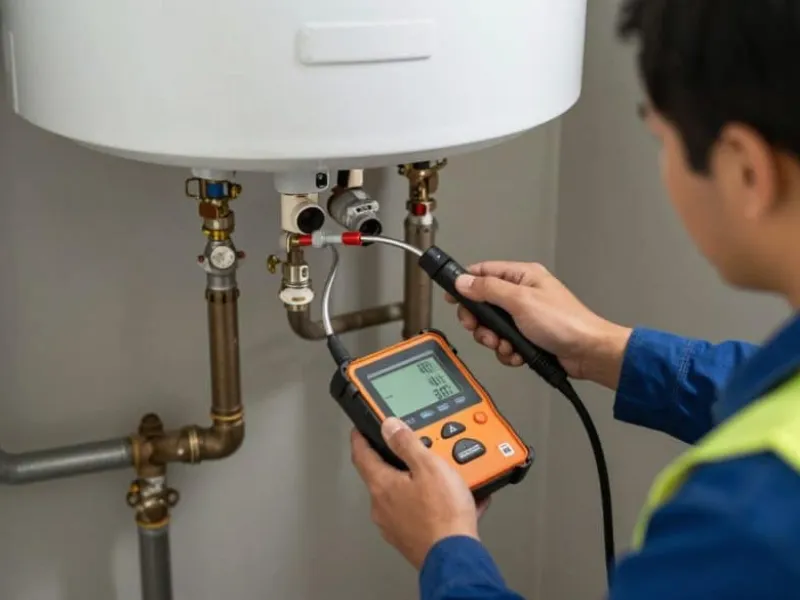
Oceanside reaches from the harbor and downtown beach flats out to inland valleys and neighborhoods near Camp Pendleton, and its gas piping is just as varied. Salt air along the coast attacks exterior risers and meter assemblies, older bungalows still carry galvanized or black-iron lines that rust from the inside, and newer builds use coated pipe that can fail at a joint. Whatever the material, a gas leak is a safety matter first and a plumbing matter second, so confirming the source quickly is always the priority.
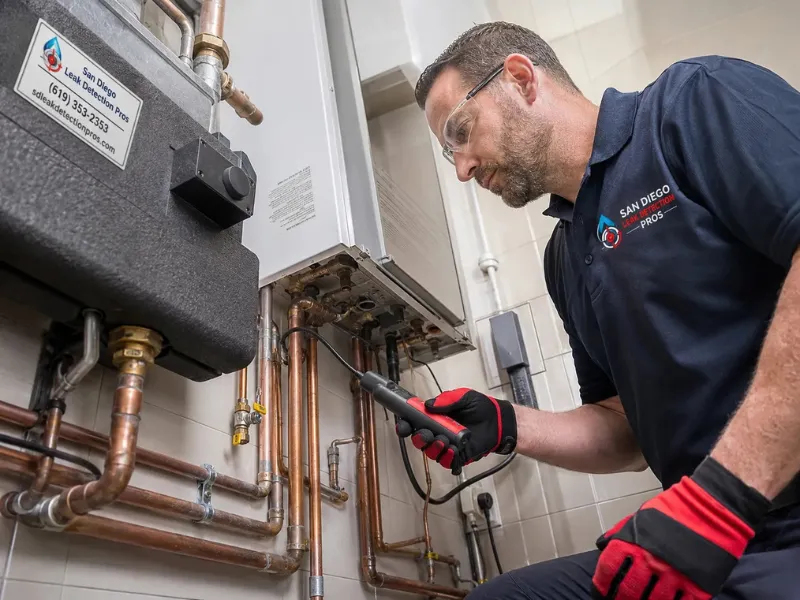
Inspection is a process of elimination backed by instruments. We isolate the system and pressure test it; if pressure falls with every appliance valve closed, gas is escaping. We then sweep the piping, fittings, valves and appliance connectors with a combustible gas meter until it alarms at the source, and confirm each positive reading with a soap-solution bubble test so no finding rests on a single tool. You receive a marked location and a written report for SDG&E, an inspector or your insurer. For the broader service, see our gas leak detection page.
Utilities add a sulfur-like odorant called mercaptan, but not every leak announces itself. Trust your senses and treat any suspect smell or sound as real until a professional confirms otherwise.
The added odorant smells of sulfur. Any hint near a line or appliance warrants an immediate test.
A hiss close to a pipe, fitting, meter or appliance can mean pressurized gas is escaping.
A patch of dying grass or plants in an otherwise healthy yard can trace to a buried gas line.
Low-level exposure can cause symptoms that ease when you step outside. Have the system tested.
An unexplained climb in gas consumption, with no change in habits, can point to a hidden leak.
Burners that will not stay lit, or that burn oddly, can signal a pressure or supply problem.
Bubbles in wet soil or dust blowing from the ground are strong evidence of a buried rupture.
Black residue around an appliance can indicate incomplete combustion or a leaking connection.
Safe, organized and thorough from the first reading to the final written report.
We assess the situation, confirm appliances are isolated and make sure the area is safe to test before any instrument is used.
We pressurize the system to confirm whether gas is escaping and how significant the leak is.
A combustible gas meter traces the piping, fittings, valves and connectors until it pinpoints the source.
We verify with soap solution, mark the location and provide a written report with photos and readings.
Gas detection calls for calibrated equipment and careful confirmation, never improvised methods or open flames.
Calibrated sensors detect and measure gas concentration to pinpoint the leak source.
Measure gas pressure at appliances and regulators to reveal supply-side problems.
The classic bubble test confirms every positive reading so findings are reliable.
Readings and photos are recorded so you have a clear record for utility or insurance use.
Oceanside stretches from the salt-air beach flats and harbor to inland valleys and military-adjacent neighborhoods, so the reasons gas lines fail here vary widely. Copper and steel near the coast corrode from the outside far faster than they do inland. The older downtown and beach bungalows often still run original galvanized or copper lines that thin from within, while newer builds farther east use PEX and coated pipe that generally resist corrosion but can still fail at a fitting or valve. Add occasional ground movement around buried lines, and a small weeping joint can become a genuine safety concern.
Symptoms that seem unrelated can point to a leak too. Headaches, dizziness and nausea that ease when you leave the building are worth investigating, as are dead patches of landscaping along a buried line. Documented testing matters as well: a written report from a qualified technician satisfies utilities, home inspectors and insurers who want evidence rather than a hunch. If you ever smell gas, evacuate first and call SDG&E from a safe location at 1-800-611-7343 before calling anyone else.
We quote flat, written estimates up front so there are no surprises. Several factors shape the price of a gas leak inspection in Oceanside.
Larger properties with multiple appliances, outdoor kitchens or detached structures take longer to test than a single-family home.
Accessible joints are quick to test. Concealed, buried or behind-appliance connections add time and may need careful access.
If a repair is needed, cost depends on the pipe section, fittings and code requirements. We explain options before any work begins.
We provide gas leak detection throughout Oceanside, including Fire Mountain, Mira Costa, San Luis Rey, Ocean Hills and the downtown beach flats, serving ZIP codes 92054, 92056, 92057 and 92058.
We also serve the surrounding North County communities, so if you are just outside Oceanside we can still help.
See All Oceanside ServicesDetection identifies the danger. These services protect the rest of your home. Prefer the full overview of this service? Read our gas leak detection page.
Code-compliant repair of gas lines, fittings and appliance connections after detection.
Learn More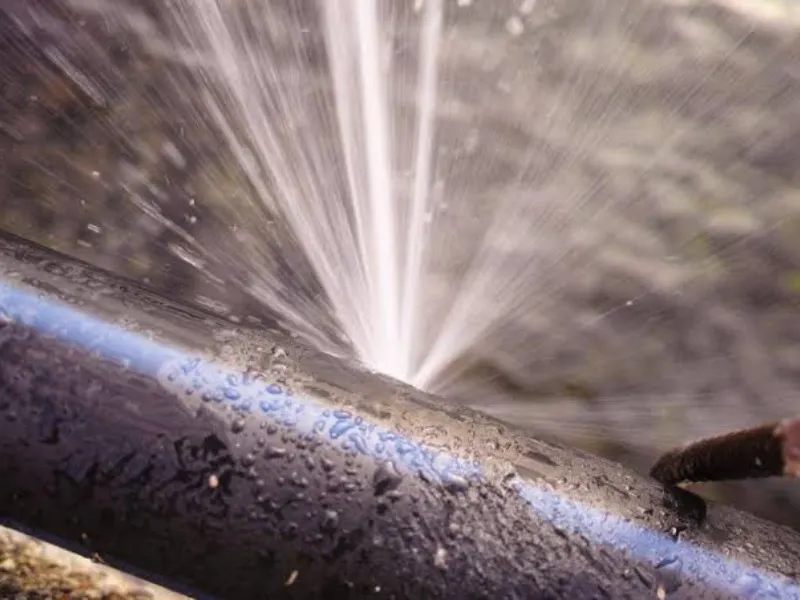
Find hidden water leaks in walls, floors and yards across Oceanside.
Learn More
Leave the building immediately. Do not flip switches, use phones or create any spark indoors. Once outside and safe, call SDG&E at 1-800-611-7343 or 911. After the utility makes the area safe, contact us to locate and document the leak.
Yes. We provide certified gas leak detection throughout Oceanside and coastal North County with same-day and next-day appointments, documented results and free estimates.
We pressure test the system to confirm a leak exists, then use a calibrated combustible gas meter to sweep the piping and fittings until it alarms. Every positive reading is confirmed with a soap-solution bubble test.
Yes. Buried gas lines can be located and tested with specialized equipment, and the leak can be narrowed to a specific area before any excavation is discussed.
Yes. We provide a written report with photos and readings that you can share with your gas utility, a home inspector or your insurance company.
Yes. Once the leak is located, our team can complete a code-compliant gas leak repair and re-test to confirm the system is sealed and safe.
Most inspections take one to two hours depending on the size of the system. We prioritize safety and confirmation over speed and always leave you with a clear written summary.
Get a fast, certified inspection with documented results. Safety-first service, free estimates available.