
Gas Leak Detection You Can Trust for Safety
A gas leak is a safety emergency, not a maintenance item. Our certified technicians use professional combustible gas meters and pressure testing to find leaks fast, confirm them and document everything for your utility or insurer.
- Certified Technicians
- Professional Meters
- Documented Findings
15+
Years of Experience
12,000+
Leaks Located & Repaired

BBB Accredited

Award-Winning Service
Smell Gas Right Now?
Leave the building immediately, avoid switches and open flames, and call your gas utility from a safe location. Once the area is safe, call us to locate and document the leak.
Why It Matters
Gas Leaks Demand a Professional Response
Natural gas and propane are safe when contained and dangerous when they are not. Detection is about more than finding a smell — it is about protecting people.
Fire & Explosion Risk
Even a small accumulation of gas near a pilot light, switch or appliance can ignite.
Health Symptoms
Headaches, dizziness and nausea can result from low-level exposure over time.
Code & Utility Compliance
Documented testing helps satisfy utility, inspection and insurance requirements.
CertifiedGas testing
The Service
How Professional Gas Leak Detection Works
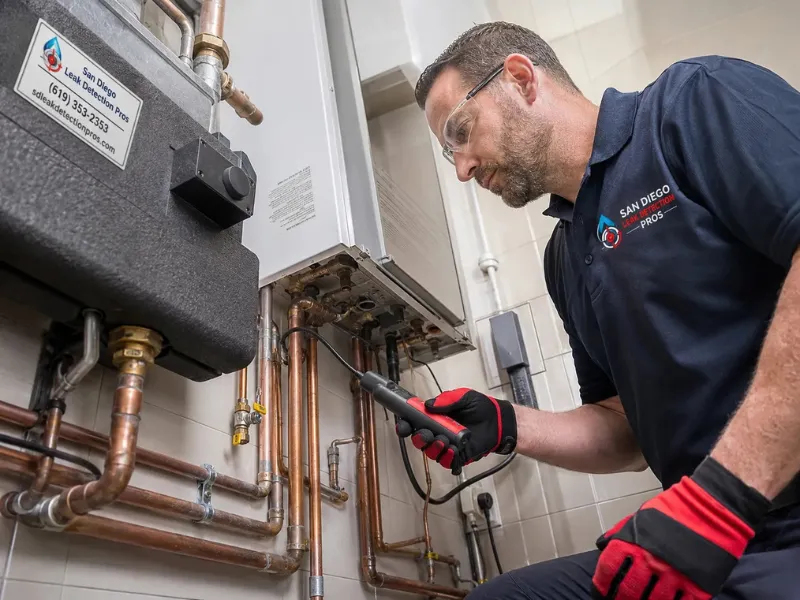
Our gas leak inspection is methodical and safety-first. We begin by testing the system under pressure. If the pressure drops with all appliances isolated, we know gas is escaping. We then use a calibrated combustible gas meter to sweep the piping, fittings and appliance connections until it alarms at the source.
Every positive reading is confirmed with a soap-solution bubble test so we are not relying on a single instrument. We check the meter assembly, the main run, manifold and every branch to pilot lights, ranges, water heaters, dryers and outdoor connections. The result is a precise location plus documentation you can provide to your utility or insurance company.
- System pressure test to confirm a leak exists
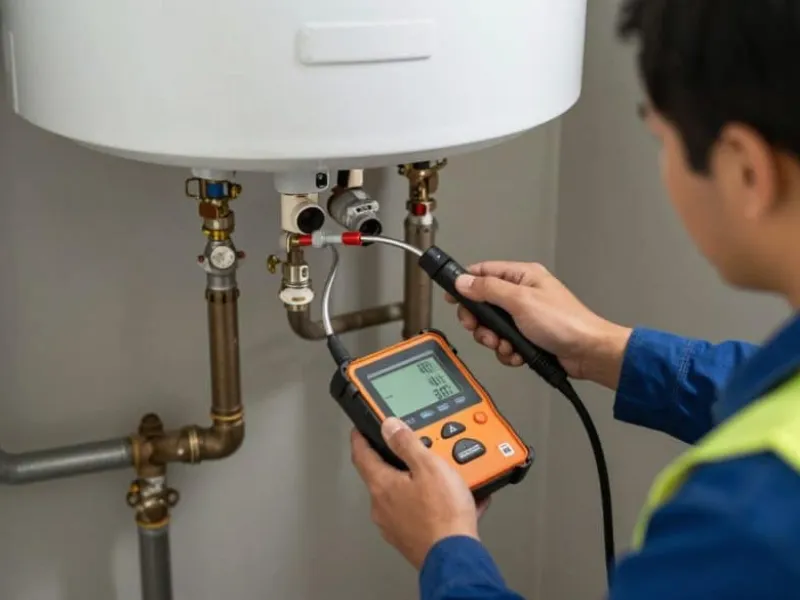
- Calibrated combustible gas meter sweep
- Soap-bubble confirmation at each suspect joint
- Written report with photos and readings
Common Sources
Where Gas Leaks Most Often Occur
Gas finds the weakest connection. These are the locations we examine most closely during every inspection.
Appliance Connections
The flexible connectors behind ranges, dryers and water heaters are a frequent source of slow gas leaks.
Pipe Fittings & Joints
Threaded and flared joints can loosen or seal poorly, especially after settling or vibration.
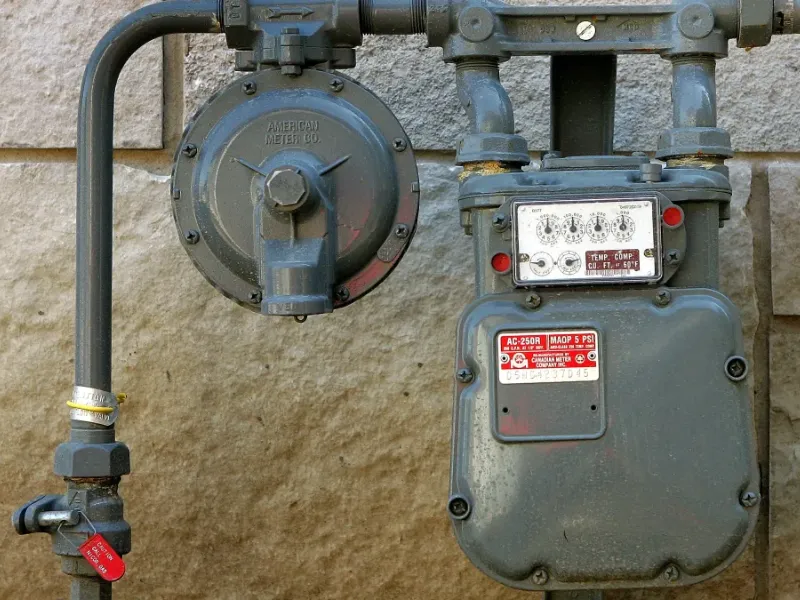
The Meter Assembly
Connections at the gas meter and service regulator are common leak points we check first.
Corroded Piping
Older steel and galvanized gas lines rust from the inside out and can develop pinholes.
Valves & Regulators
Worn valve seals and failing regulators can release gas even when the appliance is off.
Buried & Concealed Lines
Underground and in-wall runs can leak where pipe passes through soil or framing.
Prevention
Gas Safety Habits Worth Practicing
Detection handles a leak that already exists. These habits reduce the chance one develops and make your home safer in the meantime.
Know the Shut-Off
Every adult in the home should know where the main gas shut-off valve is and how to turn it. In an emergency, seconds matter, and knowing the valve removes hesitation.
Service Appliances
Gas ranges, water heaters, furnaces and dryers should be serviced periodically. A clean, well-adjusted appliance is far less likely to develop a leaking connection or incomplete combustion.
Install Detectors
A UL-listed combustible gas alarm or carbon monoxide detector adds an early warning layer for the times a smell is faint or absent. Test and replace them on schedule.
Check Connectors
Flexible connectors behind appliances can crack or kink over time. Have them inspected as part of routine service, and replace any that show wear rather than waiting.
Never Ignore a Smell
Even a faint gas odor should be investigated. It is always better to call and find nothing than to overlook a real leak that grows overnight.
Call Before Digging
Before any digging, fencing or landscaping near your property, have buried utility lines marked. Striking an underground gas line is a serious and preventable hazard.
Warning Signs
Signs of a Possible Gas Leak
Trust your senses. If something seems wrong, treat it as a real risk and get the system tested.
Rotting-Egg Smell
The added odorant in natural gas smells like sulfur. Any hint means investigate immediately.
Hissing Near a Line
A hiss close to a pipe, fitting or appliance can indicate escaping pressurized gas.
Headaches or Nausea
Symptoms that improve when you leave the building deserve a professional gas test.
Higher Gas Usage
An unexplained rise in gas consumption can point to a leak you cannot yet smell.
Dead Vegetation
A patch of dying grass or plants along an underground gas line can indicate a leak.
Pilot Lights Failing
Burners that will not stay lit or flame oddly can be a sign of pressure or gas issues.
Dirt or Water Blowing
Bubbles in wet soil or dust blowing from a line are strong evidence of a buried leak.
Soot or Scorching
Black residue around an appliance can indicate incomplete or leaking combustion.
Our Process
Gas Leak Detection, Step by Step
Safe, organized and thorough from the first reading to the final report.
Safety Briefing
We assess the situation, confirm appliances are isolated and make sure the area is safe to test.
Pressure Test
We pressurize the system to confirm whether gas is escaping and estimate how significant the leak is.
Meter Sweep
A combustible gas meter traces the piping and fittings until it pinpoints the source.
Confirm & Document
We verify with soap solution and provide a written report with photos and readings.
Our Technology
Precision Instruments for a Serious Job
Gas detection calls for calibrated equipment and careful confirmation, not improvised methods.
Combustible Gas Meters
Calibrated sensors detect and measure gas concentration to pinpoint the leak source.
Manometers
Measure gas pressure at appliances and regulators to reveal supply-side problems.
Soap Solution Testing
The classic bubble test confirms every positive reading so findings are reliable.
Digital Documentation
Readings and photos are recorded so you have a clear record for utility or insurance use.
SafetyComes first
Why Choose Us
Certified, Careful and Calm Under Pressure
Gas work is not the place for trial and error. Our technicians are trained specifically for gas systems, and they follow strict isolation and testing procedures on every visit. We never rely on a single reading, and we never leave a positive result unconfirmed.
We also communicate clearly during a stressful moment. You will know what we find, what it means, and what your options are — whether that is a simple connection repair, a section replacement, or a recommendation to involve your utility. Honesty and thoroughness matter most when safety is on the line.
- Gas-trained, licensed technicians
- Calibrated meters and pressure testing
- Confirmation of every finding before we leave
- Clear written reports for your records
Related Services
Next Steps After Detection
Detection identifies the danger. These services make the system safe again.
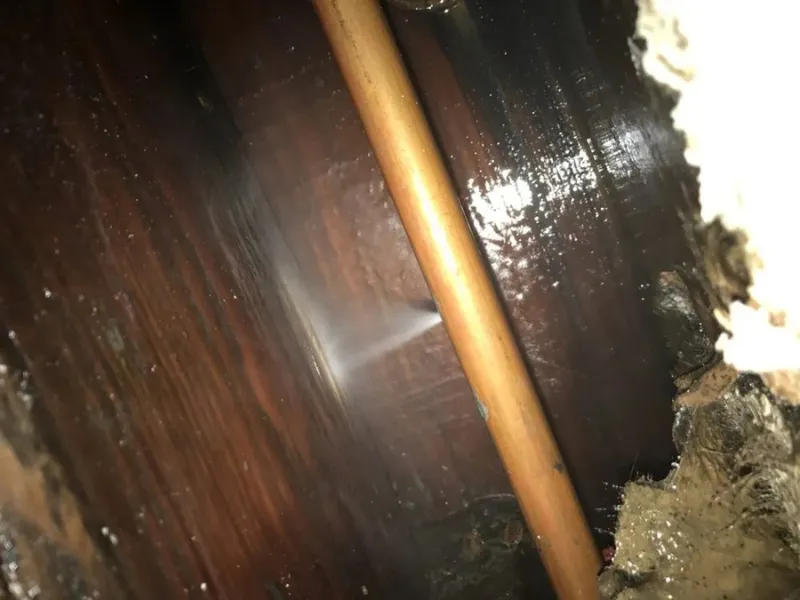
Pipe Leak Detection
Locate leaks in any pipe system, including concealed and underground runs.
Learn More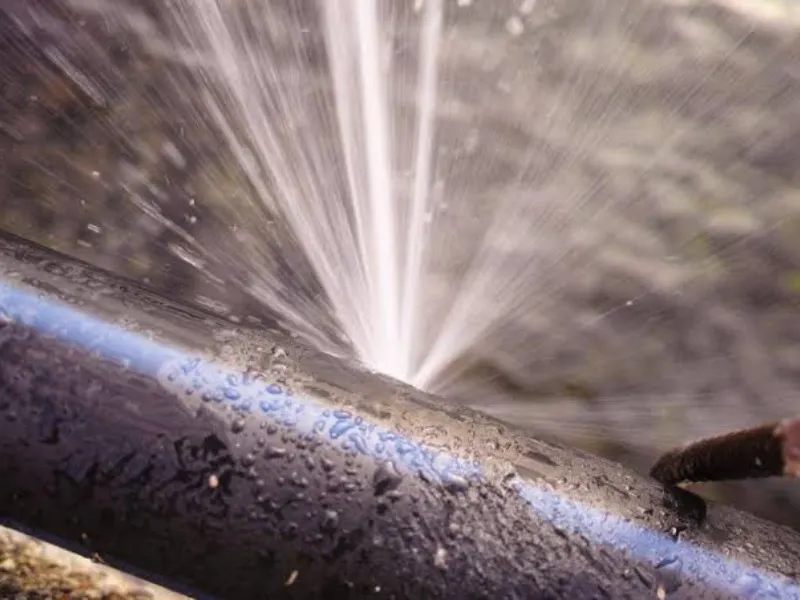
Water Leak Detection
Because gas and water lines often run side by side, water testing can be equally important.
Learn More
FAQ
Gas Leak Detection Questions
Leave the building immediately. Do not flip switches, use phones or create any spark indoors. Once outside and safe, call your gas utility. After the utility makes the area safe, contact us to locate and document the leak.
We pressure test the system to confirm a leak exists, then use a calibrated combustible gas meter to sweep the piping and fittings until it alarms. Every positive reading is confirmed with a soap-solution bubble test.
Yes. Buried gas lines can be located and tested with specialized equipment, and the leak can be narrowed to a specific area before any excavation is discussed.
Any gas smell should be treated as serious. Even small leaks can accumulate in enclosed spaces and reach flammable concentrations. Treat it as urgent until a professional confirms otherwise.
Yes. We provide a written report with photos and readings that you can share with your gas utility, an inspector or your insurance company as needed.
Most inspections take one to two hours depending on the size of the system. We prioritize safety and confirmation over speed, but we work efficiently and explain findings as we go, and you always receive a clear written summary before we leave.
Yes. Once the leak is located, our team can complete a code-compliant gas leak repair and re-test to confirm the system is sealed and safe.
Suspect a Gas Leak?
Get a fast, certified inspection and clear answers. Safety-first service with documented results.