
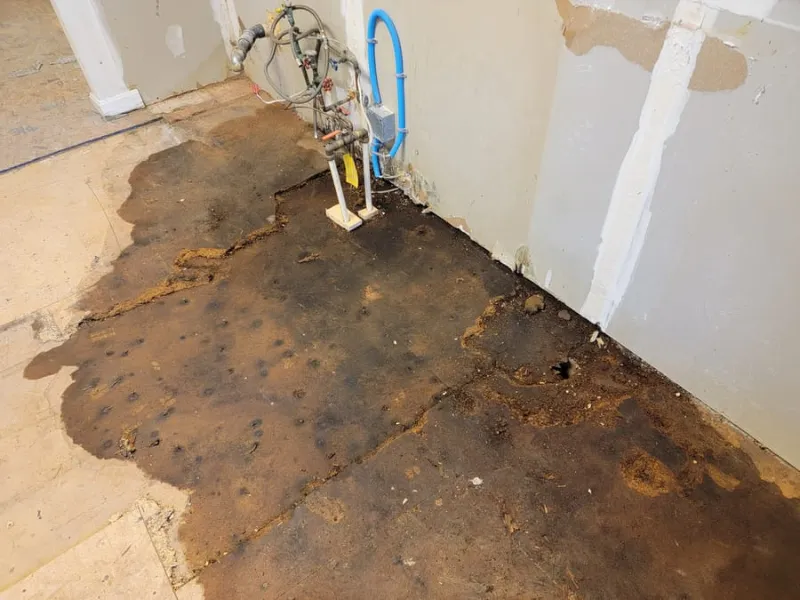
Slab Leak Detection
Precise, non-invasive location is the first step toward a repair that stays fixed.
Learn MoreOnce a leak under your foundation is located, the goal is to repair it without turning your home into a construction site. We make the smallest access point possible, fix the line properly and leave the area clean and ready to use.
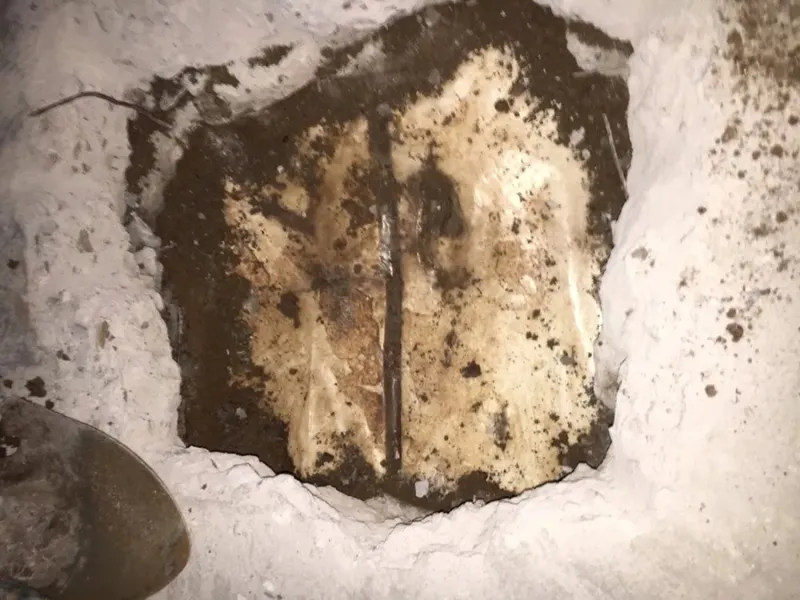


Cheap patch jobs often fail within a year and leave you paying twice. Our repairs address the actual failure and account for the pipe's condition around it.
Stopping the leak halts soil erosion and the settling that cracks slabs, tiles and drywall.
We open only the area needed and protect surrounding flooring and finishes while we work.
Correct materials, proper joining and pressure testing before we close the floor back up.
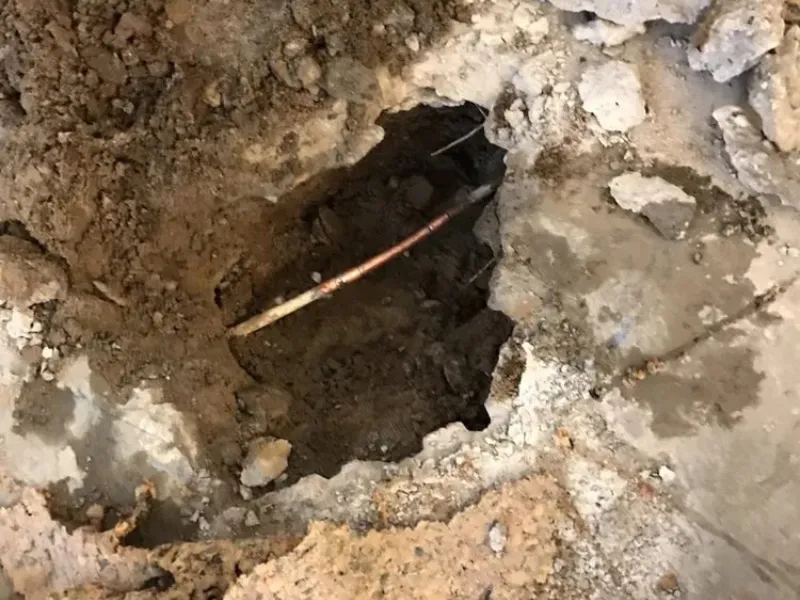
Slab leak repair begins where detection ends. With the leak marked precisely, we determine whether the best answer is a spot repair, a reroute or a larger plumbing upgrade. For most single leaks, we cut a small opening in the slab, expose the damaged section, and replace it with new pipe and fittings.
Before closing anything, we pressure test the repaired section to prove it holds. The opening is then backfilled and patched so it blends with the surrounding floor. If your home has a post-tension slab, we follow specific procedures to avoid damaging the cables, which is one more reason precise location matters.
The right fix depends on the pipe's condition, accessibility and your long-term plans for the home. We recommend the one that makes the most sense for you.
We expose and replace only the failed section of pipe. It is the least invasive option and works well when the surrounding pipe is still sound. It keeps the opening small and the cost predictable when the diagnosis is clear.
We cap the failing line under the slab and run a new one above it through walls or the attic. No large slab opening, and the old pipe is permanently retired. Because the new line stays accessible, future service is simpler.
When multiple lines are worn, replacing the home's plumbing removes the recurring-leak problem and can add value for decades to come. Many homeowners pair a repipe with fixture upgrades for a fully modern system.
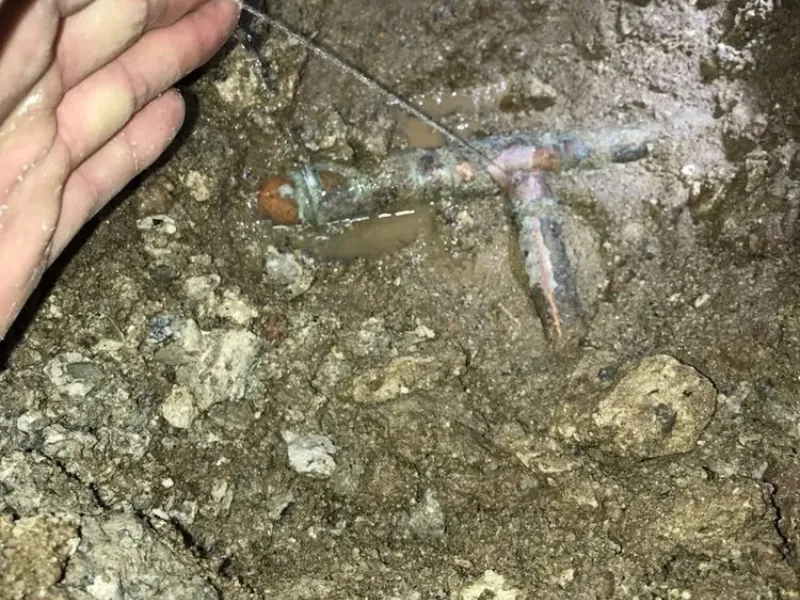
Not every pipe under a slab behaves the same way, and the repair method changes depending on which system is leaking. Supply lines carry clean water under constant pressure, so a pinhole can release a steady stream and surface quickly. Drain lines carry waste by gravity, so they often seep slowly and produce dampness or odor before any visible water appears.
We identify which type of line is involved during detection and match the repair to it. A pressurized supply line is usually repaired with new pipe and pressure-tested after the fix. A drain line may call for a different technique and a flow test to confirm the joint is sealed. Getting this distinction right is what separates a durable repair from a comeback.
If detection has confirmed a leak, or you are seeing these symptoms, do not wait. Water under a slab gets more expensive to fix every week.
A single warm area usually means a hot-water line is leaking directly below.
A bill that climbs without explanation is often the first hard evidence of a leak.
Lifted tiles, cupped wood or loose laminate point to moisture rising through the slab.
Water heard moving under the floor when fixtures are off means an active pressurized leak.
Water wicking up the edges of walls often traces back to a leak beneath the slab.
Fresh cracks in tile or drywall can signal soil shifting under a leaking slab.
Lower pressure at your taps can indicate a break that is losing water underground.
With everything off, a moving meter confirms an active leak that needs repair.
A straightforward process with no surprises and no guesswork.
We confirm the location and choose the repair method that limits disruption to your home.
Floors and nearby surfaces are covered, and we set up dust control before cutting begins.
The damaged section is replaced, then pressure tested to confirm the repair holds.
We patch the opening, clean up completely and walk you through the finished work.
We use the same precise approach to repair that we use to detect, so the fix is correct the first time.
Our detection work lets us cut small, deliberate openings instead of exploratory demolition.
Every repair is tested under pressure before the slab is closed to prove it is leak-free.
We match pipe type and fittings to your system and local code for a durable, compatible repair.
After backfill and patching, we leave the work area tidy and ready for your flooring finish.
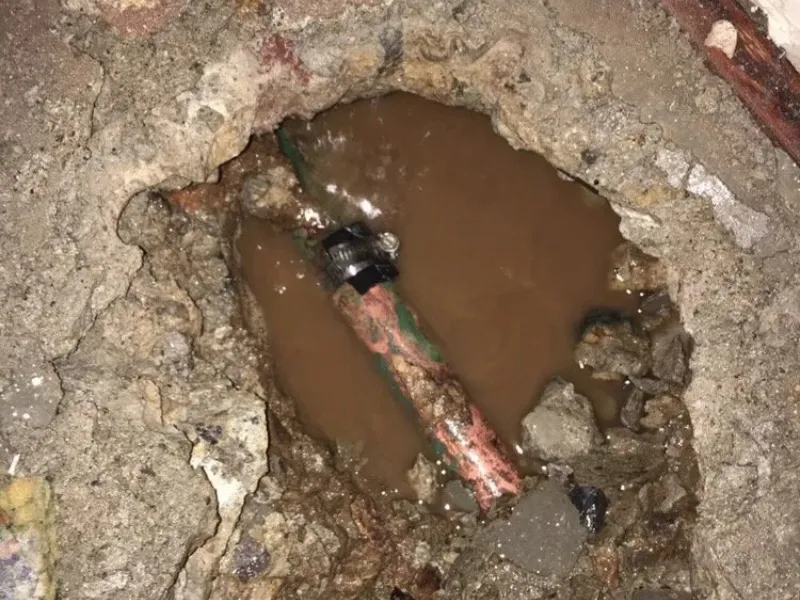
A slab repair affects the most personal spaces in your home. We take that seriously. Our technicians arrive on time, communicate clearly, and treat your floors and furniture with respect from the first cut to the final cleanup.
We also tell you the truth about what we find. If a spot repair will genuinely solve the problem, we will not push a repipe. If the pipe is too far gone for a patch to last, we will show you why. That honesty is why homeowners refer us to their neighbors and call us back for other work.
Detection comes first, and the right follow-up depends on the pipe involved.
Precise, non-invasive location is the first step toward a repair that stays fixed.
Learn More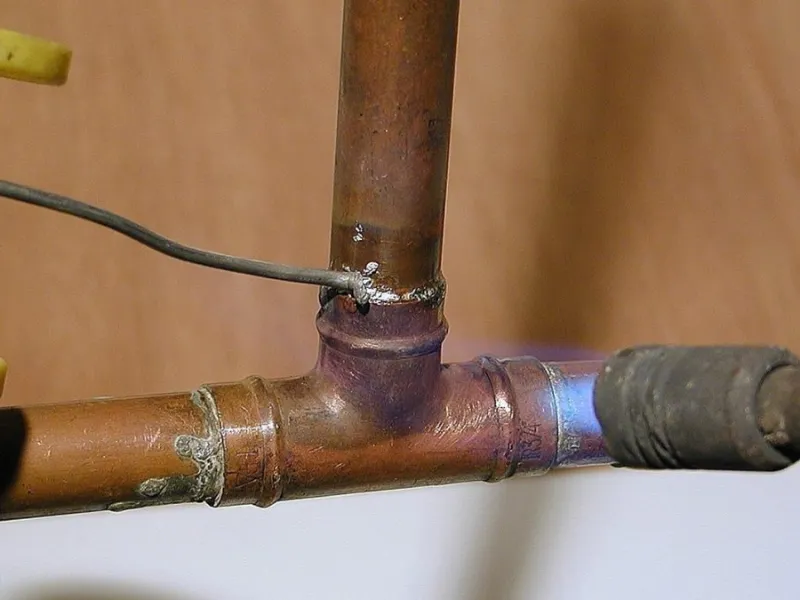
Repairs for visible and accessible pipe leaks throughout the rest of your system.
Learn More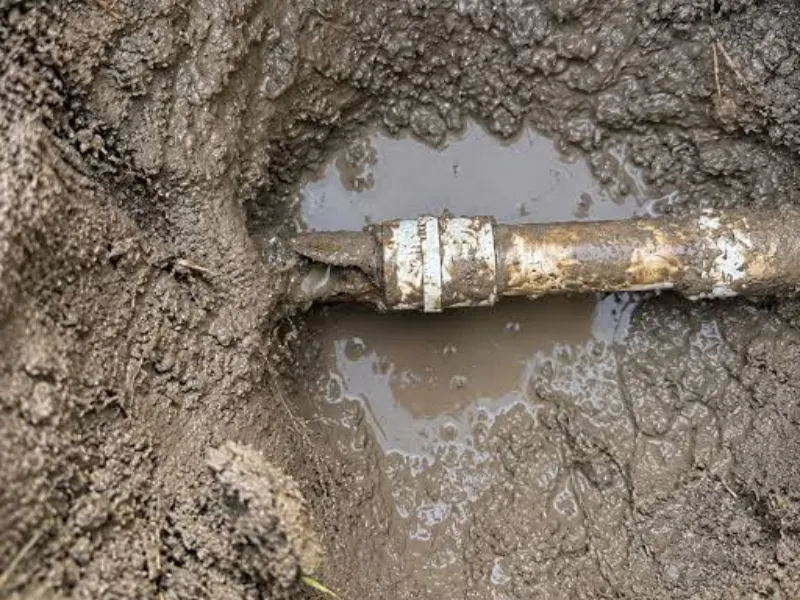
Fast repairs for supply lines, fixtures and drains when water is showing up indoors.
Learn MoreMost single spot repairs are completed in a day or less, depending on the depth and location of the pipe. A reroute can sometimes be finished in the same visit. We give you a realistic timeline before we start.
Usually not. Repairs are localized, and we protect the surrounding area while we work. If a repair is in a high-traffic space, we will tell you what to expect and help you plan around any temporary water shutoff or restricted access.
We restore the concrete patch to a clean, level finish and leave the area ready for your chosen surface. Final flooring or tile on top is typically handled by a flooring professional, and we are happy to advise on sequencing so the finished repair blends in.
It depends on the pipe's condition. A spot repair is ideal for one isolated failure in otherwise healthy pipe. A reroute is a better long-term answer when the line under the slab is already worn or has failed before.
Yes. Our repairs are backed by a written workmanship warranty. We also pressure test every repair before closing the slab, so you are not relying on a promise alone.
Shutting off the supply can stop active damage temporarily, but it leaves you without water and the leak still present. Repair is the only permanent solution and is usually less costly than long-term damage.
If a repair fails within its warranty period, we return and make it right. Our detection team can re-verify the spot and check whether a separate leak is present.
Get a clean, lasting repair with minimal disruption and upfront pricing. Free estimates, fast scheduling.