
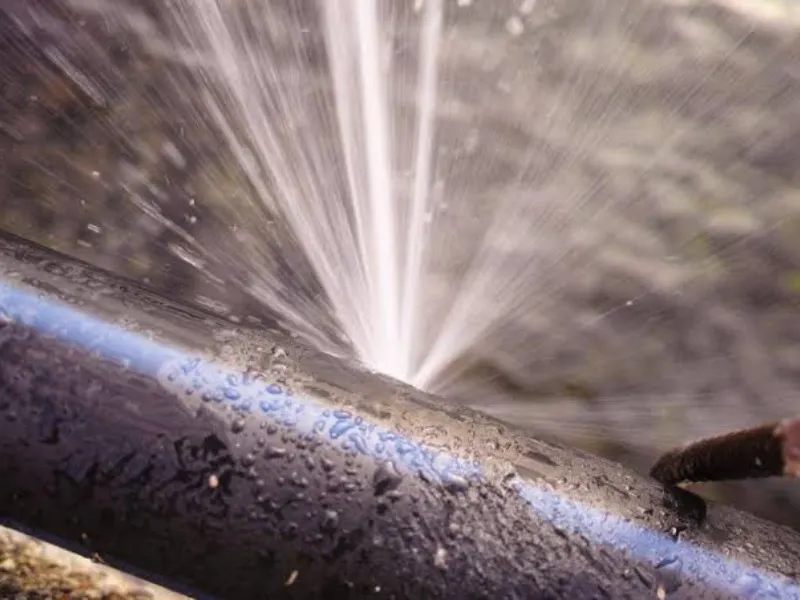
Water Leak Detection
Confirm exactly where the water is coming from before the repair begins.
Learn MoreOnce the leak is found, the repair has to be done right. We fix supply lines, fixtures and drains with clean workmanship, quality parts and a finish that lasts — not a temporary patch that fails next season.
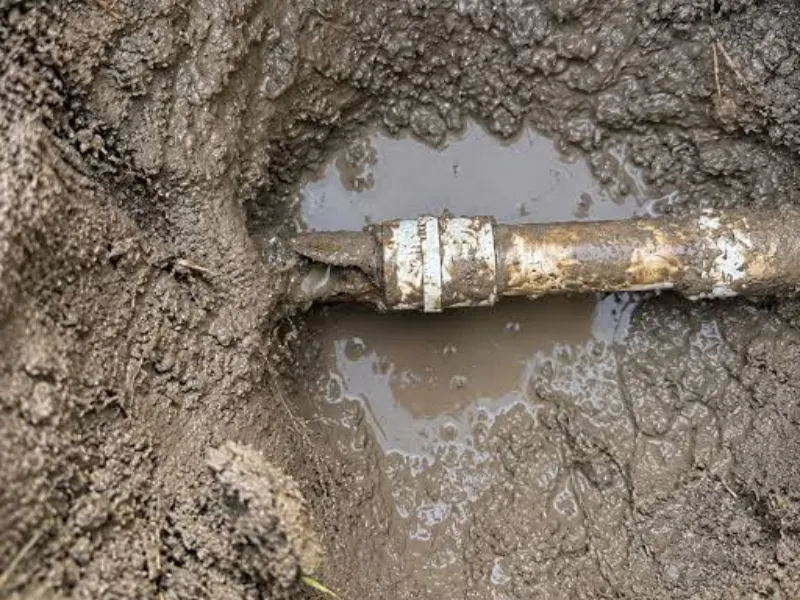


Temporary fixes and tape-and-clamp solutions often leak again within months. A correct repair addresses the cause, not just the symptom.
Halting the water protects framing, drywall, insulation and flooring from rot and mold.
Sealing the leak immediately stops the water you were paying for and losing every day.
No more waiting for the next drip or watching the ceiling for new stains.
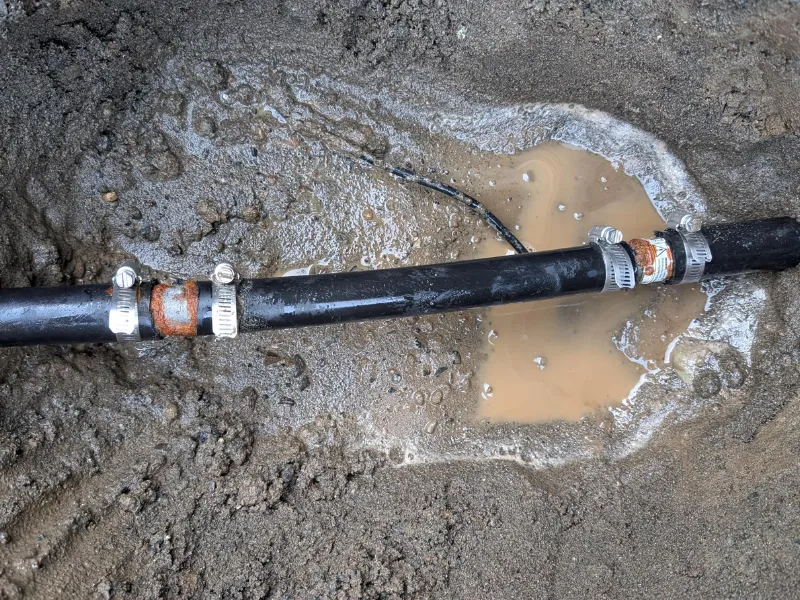
Water leaks show up in three main places: pressurized supply lines, drainage systems and the fixtures and appliances connected to them. Each calls for a different repair technique, and we are equipped for all three.
For supply lines, we replace the damaged section with compatible pipe and fittings, then restore water and check for any weeping joints. For drains, we repair or replace the failed section and confirm proper flow. For fixtures and appliances, we reseal or replace connections, valves and hoses so the leak does not simply move to the next weak point.
We also think beyond the immediate repair. If the failed component was at the end of its lifespan, replacing it with a modern, higher-quality part often prevents a repeat failure. If the surrounding pipe shows signs of the same wear that caused the leak, we point it out so you can plan ahead instead of discovering it during the next emergency. Good repair work is partly about the fix in front of us and partly about what it protects down the line.
Choosing the right method is what makes a repair permanent. Here is how we approach the most common situations.
When a shut-off valve, supply line or angle stop fails, we replace it rather than tightening a part that has already weakened.
For a pinhole or split in a line, we cut out the affected section and install new pipe to remove the weak point entirely.
Loose or cracked drain joints are resealed or rebuilt, then flow tested to confirm the line drains correctly.
Faucet cartridges, toilet fill valves and shower valves are rebuilt or replaced to stop drips and hidden seepage.
When a hidden line keeps leaking, we can reroute or replace it to remove the recurring failure for good.
For some concealed wet areas, we stop the source and apply appropriate sealing so moisture cannot reach framing.
One leak in healthy plumbing usually calls for a repair. A pattern of leaks points toward replacement. Here is how we think about the choice.
The leak is isolated, the surrounding pipe is sound, and this is the first failure in that area. A targeted repair is the fastest and most affordable answer.
A concealed line has leaked before or the pipe is hard to reach. Rerouting removes the failing line from the equation and is often cheaper than repeated access.
You have had several leaks in a short period or your plumbing is well past its expected lifespan. Replacing the system can be the most economical long-term choice.
Early repair keeps small leaks from becoming restoration projects. These signs mean it is time to act.
Water heard inside a wall or ceiling means a supply or drain leak is active.
Discolored rings or bubbling paint on a wall or ceiling reveal moisture behind it.
A wall, cabinet or floor that stays damp is a clear indication of an ongoing leak.
Cupped wood, loose tile or a sagging ceiling could be carrying hidden water weight.
An unexplained increase means treated water is being lost before it reaches you.
With fixtures off, a moving meter proves water is escaping somewhere in the system.
A loss of pressure at one location often accompanies a break in that supply line.
Visible corrosion on pipes or fittings is a warning that a leak may soon follow.
No mystery, no surprises. Here is how a typical repair visit unfolds.
We verify the exact leak point, even if that means a quick detection check first.
You get an upfront price and a clear explanation of the method and materials.
We protect the area, complete the fix and test it under real operating conditions.
Water is restored, the leak is confirmed gone, and the workspace is left tidy.
Repair quality comes down to preparation, compatible materials and testing. We never cut corners on any of them.
We use durable, code-compliant fittings matched to your existing pipe material.
Supply repairs are pressurized and checked for weeping before we call the job done.
If the source is unclear, our detection tools confirm the location before we open anything.
Floors, cabinets and fixtures are protected throughout so the repair does not create new damage.

We approach repairs as if our own family lives in the home. That means protecting floors, tarping cabinets, and cleaning up so thoroughly that you cannot tell we were there — except that the leak is gone.
It also means honest communication. We explain what failed and why, give you a clear price before starting, and stand behind the work with a warranty. If a repair simply will not be reliable, we will tell you so and present a better option rather than taking the quick job.
Finding and fixing leaks is a team effort across our specialties.
Confirm exactly where the water is coming from before the repair begins.
Learn More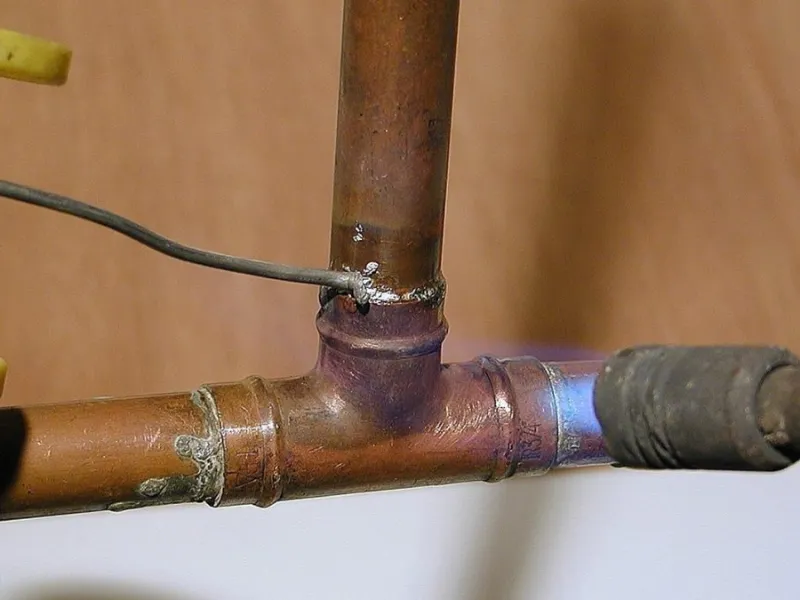
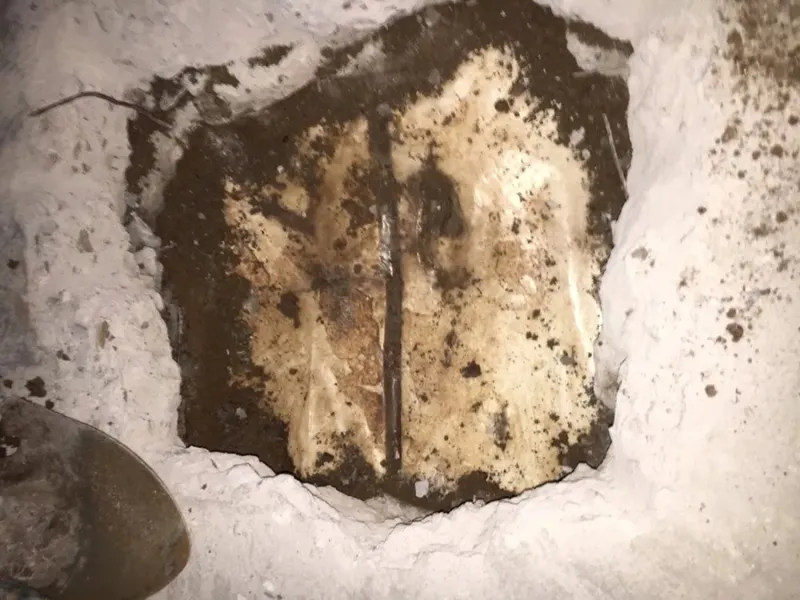
For leaks beneath a concrete foundation that need careful, targeted access.
Learn MoreCost depends on the leak type, its location and the access required. A simple fixture repair is far less than a concealed line replacement. We provide an upfront, fixed price before starting so there are no surprises when the work is done.
Often yes. With precise detection, we can frequently make the repair through a small, deliberate opening rather than removing a large section of wall. We always aim for the least invasive approach.
Many repairs are finished within a few hours. Concealed line work or repairs requiring access behind finished surfaces can take longer, and we will give you a realistic timeframe up front.
Yes. We repair or replace the supply lines, valves and hoses behind washing machines, dishwashers, refrigerators and water heaters, which are common hidden leak sources.
Drain leaks are repaired differently from pressurized supply leaks. We rebuild or replace the failed joint or section and then flow test the line to confirm it drains correctly.
Yes. Our repairs carry a written workmanship warranty, and we verify every fix with a pressure or flow test before finishing. If something is not right, we return and correct it.
If one section fails in otherwise healthy pipe, a targeted repair is usually best. If you have had repeated leaks, replacement or rerouting may save money over time by removing the failing line entirely. We will explain both options honestly and let you decide.
Get a fast, lasting fix with upfront pricing and a clean finish. Free estimates available.