
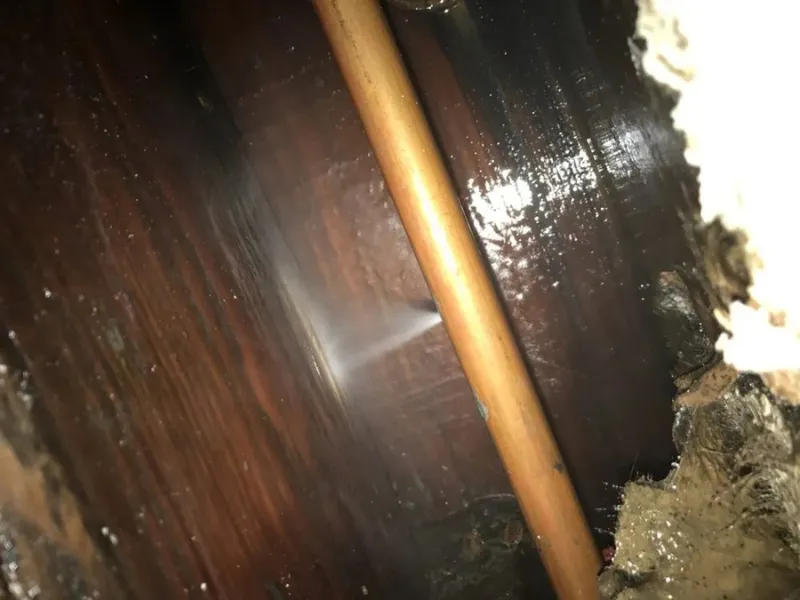
Pipe Leak Repair Built to Outlast the Original
A pipe repair is only worthwhile if it lasts. We repair copper, PEX, galvanized, PVC and drain lines with correct materials and methods, then test under pressure before closing anything up.
- All Pipe Materials
- Minimal Access
- Pressure Tested
15+
Years of Experience
12,000+
Leaks Located & Repaired

BBB Accredited

Award-Winning Service
The Difference
Repairs Done Right the First Time
Shortcuts in pipe repair show up weeks or months later. We build every repair to handle full system pressure for years.
Compatible Materials
We match pipe type, diameter and joining method to your system for a seamless, durable repair.
Tested to Full Pressure
We pressurize the repair and inspect every joint so nothing is left to chance.
Small, Clean Access
Because detection tells us exactly where to work, the opening stays small and the cleanup is thorough.
PrecisionEvery joint
The Service
How We Repair a Leaking Pipe
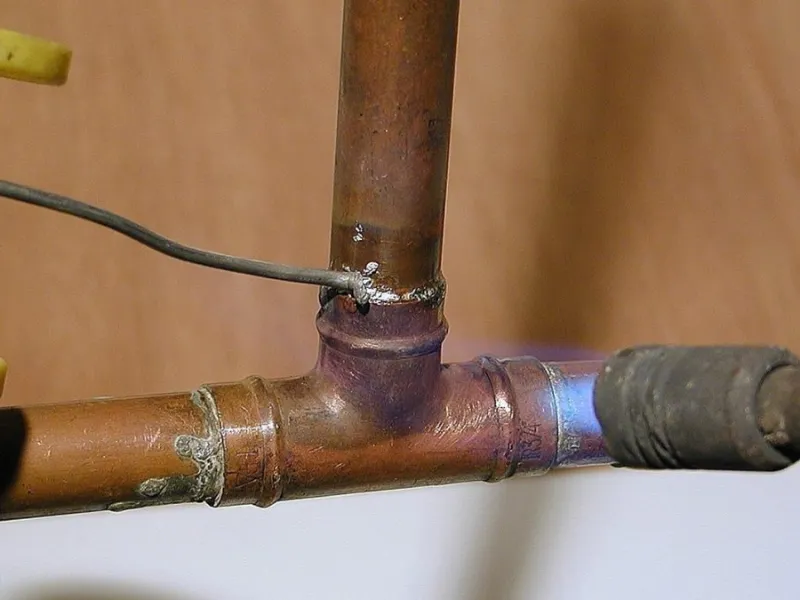
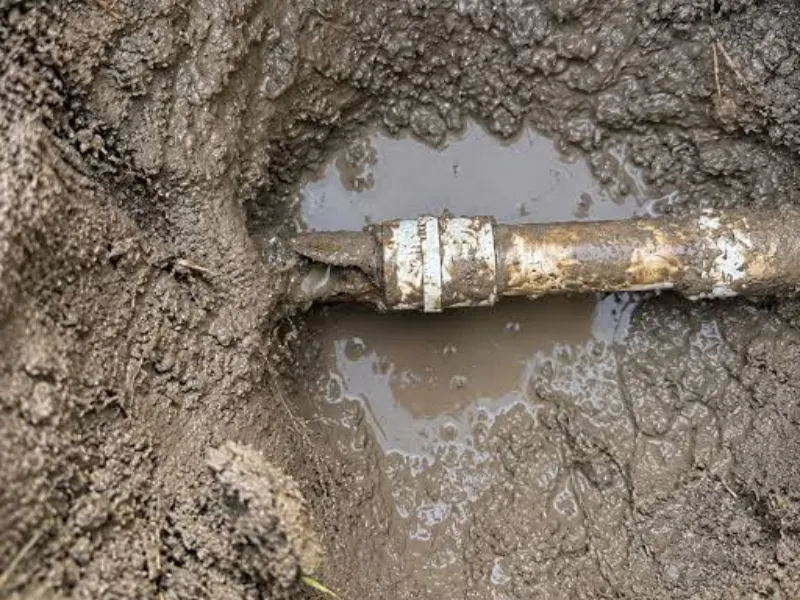
With the leak located, we shut off the affected line and drain it down. We then expose the pipe, cut out the failed section and prepare clean ends for the new connection. How we join it depends on the material: soldered or press connections for copper, crimp or expansion fittings for PEX, threaded or transition fittings for galvanized, and solvent-welded or mechanical couplings for plastic lines.
After reassembly we restore water and slowly repressurize the line, checking each new joint for weeping before restoring full pressure. For drain lines, we rebuild the failed section and flow test it to confirm proper drainage. The access area is then cleaned and ready for finish work, and you receive a summary of exactly what was replaced.
Two details separate a durable repair from a temporary one. The first is matching diameter and wall thickness, so the new section does not restrict flow or create a weak transition. The second is accounting for movement: pipes expand and contract with temperature, and a repair that ignores this can stress the new joints. In older homes we also watch for mixed materials, where different metals meet, and use the correct dielectric or transition fittings to prevent accelerated corrosion at the repair.
- Safe shutdown and drain-down of the affected line
- Material-correct joining and compatible fittings
- Gradual repressurization and joint inspection
- Flow testing for drain repairs and clean finish
Repair Approaches
Choosing the Right Fix for Your Pipes
When one leak is part of a bigger pattern, the smartest repair may be broader than the leak itself.
Targeted Section Repair
Best when the leak is isolated and the surrounding pipe is still healthy. We replace only what failed and leave the rest of your system untouched.
Reroute the Line
When access is difficult or the pipe keeps failing, rerouting a new line through an accessible space avoids repeated demolition and repair.
Repipe the System
If corrosion or age affects the whole system, a repipe stops the cycle of recurring leaks and can be more economical over the long run.
PreparedBefore we cut
Be Ready
How to Prepare for a Pipe Repair
A little preparation makes repair day smoother and protects your belongings. Before we arrive, clear the area around the repair location so we have room to work, and move furniture, rugs or fragile items a safe distance away. If the repair involves a sink or appliance, emptying the cabinet below it prevents water damage to stored items.
You should also know where your main water shut-off is, though we will confirm it with you at the start. If you have pets, securing them in a separate room keeps them safe and lets the crew work efficiently. Planning for a short water outage is wise: fill a few containers for drinking and handwashing, and avoid running the dishwasher or laundry until the repair is complete and tested.
- Clear the work area and move valuables
- Empty cabinets beneath sinks and appliances
- Secure pets and plan for a short water outage
- Note the main shut-off location for reference
Warning Signs
Signs It’s Time to Repair a Pipe
These symptoms point to a pipe losing water. Repairing early limits the damage.
Dripping in Walls
Water heard in a wall is a strong sign of a pressurized pipe failure.
Bill Increase
A rising water bill with no change in usage means water is leaking somewhere.
Pressure Loss
A drop in pressure at one fixture often locates the failed pipe section.
Water Stains
Discoloration or bubbling on walls and ceilings reveals water behind them.
Warped Flooring
Cupped or lifting floors can mean a pipe is leaking beneath the surface.
Damp Odors
A musty smell that lingers indicates trapped moisture from a hidden leak.
Visible Corrosion
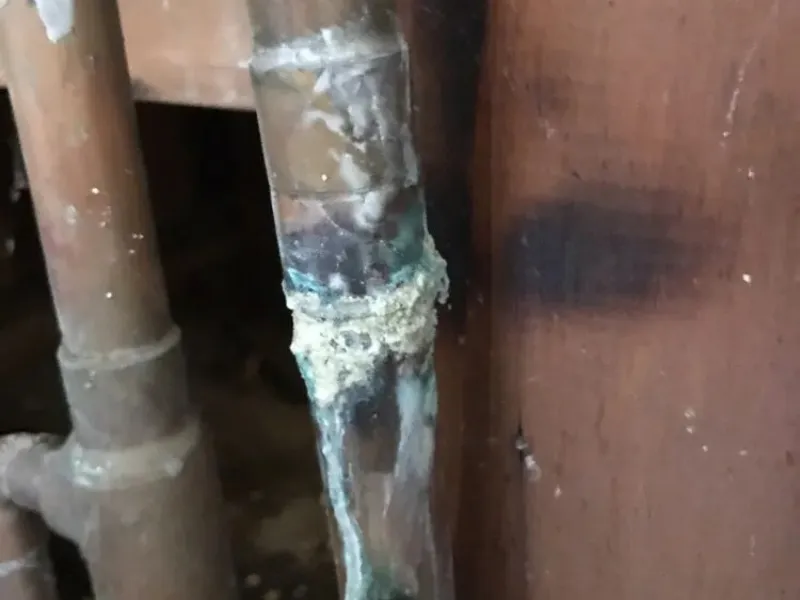
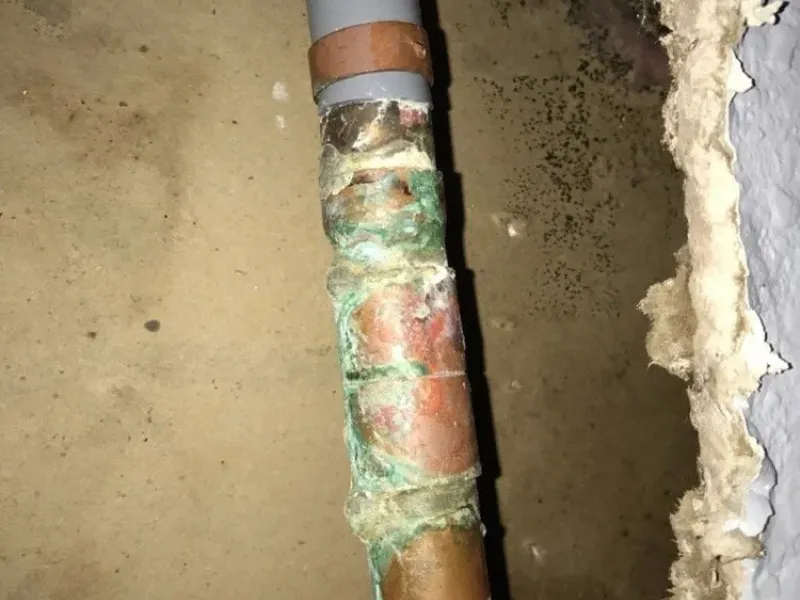
Rust or green scale on exposed pipe warns that a leak may soon develop.
Meter Spinning
With fixtures off, a moving meter proves an active leak in the piping.
Our Process
Pipe Repair, Step by Step
A clean, predictable process that protects your home and your plumbing.
Confirm the Spot
We verify the exact leak location, using detection tools if it has not already been located.
Prepare & Quote
We protect the area, explain the repair method and confirm a fixed upfront price.
Repair the Pipe
The failed section is replaced with matching materials and joined to standard.
Test & Restore
We repressurize, check every joint, clean up and confirm the repair is leak-free.
Tools & Materials
The Right Method for the Right Pipe
Every material joins differently. Using the correct technique is what makes a repair permanent.
Copper Joining
Soldered and press connections made correctly for a strong, leak-free copper repair.
PEX Fittings
Crimp, clamp or expansion fittings installed with the correct tooling and rings.
Plastic & Drain Repair
Solvent-welded and mechanical couplings for PVC, CPVC and drain assemblies.
Pressure Testing
Every repair is repressurized and checked before the job is considered complete.
LastingRepair work
Why Choose Us
Repairs That Respect Your Home
Pipe repair often means working inside finished spaces. We protect floors and cabinetry, keep the work area contained, and clean up completely when we are done. You should be able to forget we were there, aside from the fact that the leak is gone.
We are equally careful about the plumbing itself. Every repair uses materials matched to your system, every joint is made to standard, and every line is tested before we call it finished. If a repair is not the best answer, we will tell you and explain what is.
- Fixed upfront pricing before work begins
- Compatible, code-compliant materials
- Pressure-tested repairs with a warranty
- Clean, careful and respectful crews
Related Services
More Help for Your Plumbing
Repair pairs with detection and the other specialties we offer.
FAQ
Pipe Leak Repair Questions
In most cases yes. If the leak is isolated and the surrounding pipe is sound, we replace only the failed section rather than a long run. This keeps the repair small, affordable and much less disruptive to your home.
PEX is repaired with crimp, clamp or expansion fittings made for the material. Copper is repaired with soldered or press connections. Both methods are reliable when done with the correct tooling.
Many repairs are completed within a few hours. Concealed pipes behind finished walls or under flooring can require more time for access and restoration, and we will give you a realistic estimate before we begin so you can plan your day.
Yes. Drain and waste line repairs are rebuilt and flow tested before we finish. Because drain leaks are not under pressure, we verify them differently than supply line repairs, watching actual flow through the line to confirm the joint is sealed.
Sometimes a small opening is needed to reach the pipe. Accurate detection keeps that opening as small as possible, and we clean up fully afterward so the space is ready for drywall or flooring repair.
We restore water slowly and repressurize the line, inspecting every new joint. For drains, we flow test the line. Only after testing do we consider the repair complete.
One isolated leak in otherwise healthy pipe calls for a targeted repair. Repeated leaks, widespread corrosion or plumbing at the end of its lifespan may make a repipe or reroute the better long-term investment. We will lay out the trade-offs honestly so you can choose with confidence.
Have a Leaking Pipe?
Get a precise, long-lasting repair with minimal disruption. Free estimates and fast scheduling.