
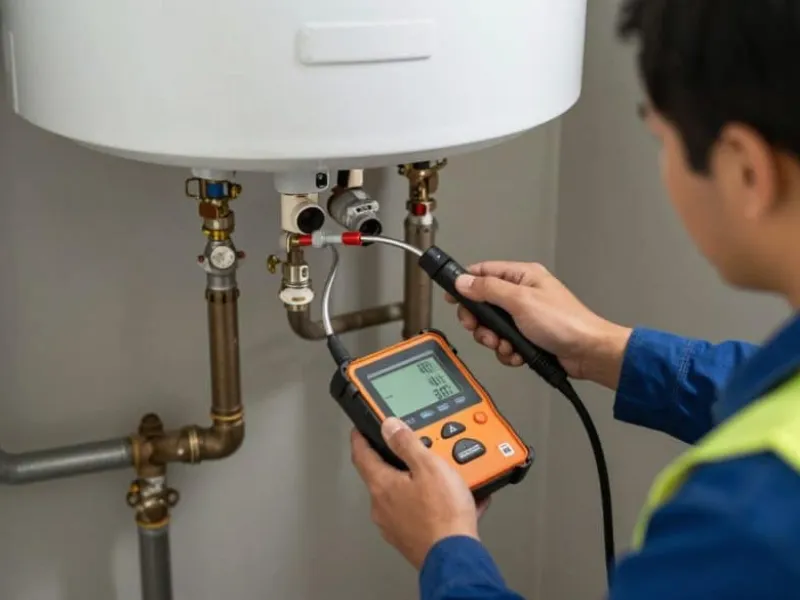
Gas Leak Detection
Find and confirm the leak before any repair so the fix targets the right spot.
Learn MoreA gas repair must be done once, correctly. We replace failed fittings, valves and connectors with approved materials, follow code throughout, and pressure test the system afterward so you can be confident it is sealed.
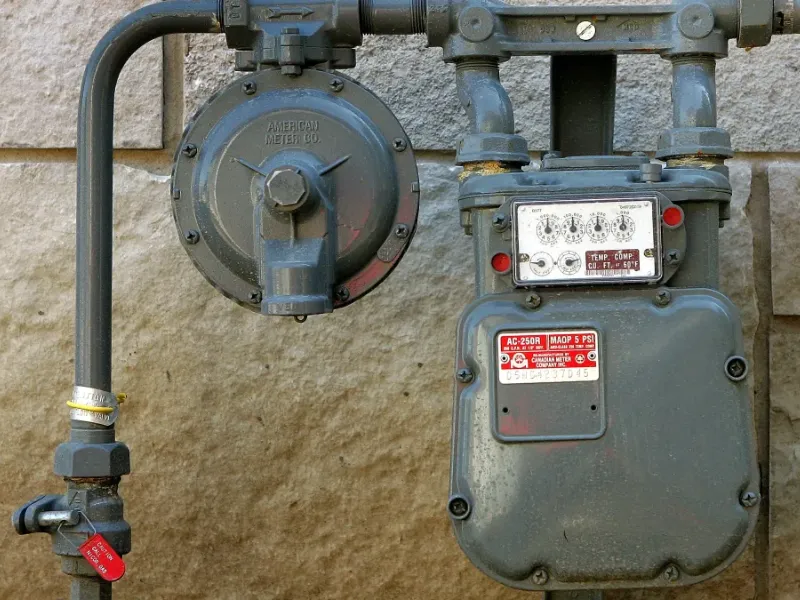


Leave the building immediately without using switches or phones, and call your gas utility from a safe location. Once the area is safe, call us to locate and repair the leak.
Gas repairs leave no room for shortcuts. These are the standards we hold on every job, big or small.
We use gas-rated pipe, fittings and sealants engineered for the fuel and pressure involved.
Every repair is pressure tested and leak checked before we restore service and leave.
Work is performed to applicable gas and plumbing code so it stands up to inspection.
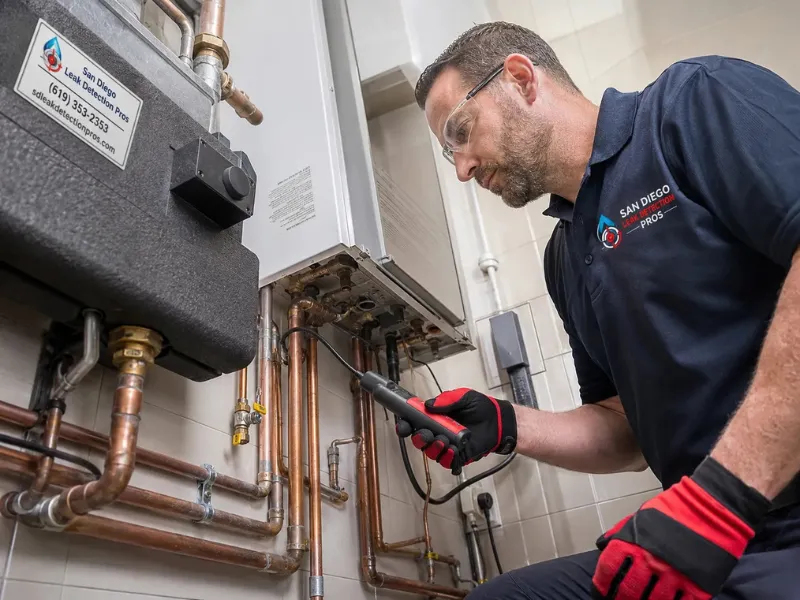
Gas leak repair starts from the confirmed location. After shutting off and purging the affected section safely, we remove the failed component and inspect the surrounding pipe. If only a fitting, valve or connector has failed, we replace that part. If the pipe itself is corroded or damaged, we replace the section.
New joints are made with approved methods, whether that is properly applied pipe dope and thread sealant or a gas-rated flexible connector. Once reassembled, we pressure test the system and perform a full leak check with a combustible gas meter and soap solution on every joint we touched. Service is restored only after the system holds pressure with no detectable leak.
The right repair depends on which component failed. Here is how we handle each.
Loose or failed threaded and flared fittings are removed and remade with proper sealant and correct tightening.
Corroded or damaged pipe is cut out and replaced with new gas-rated pipe for a clean, durable repair.
Worn shut-off valves, appliance valves and regulators are replaced so you can safely isolate gas when needed.
The flexible connectors behind ranges, dryers and water heaters are replaced when cracked, kinked or aged.
When a concealed or underground gas line fails, we can reroute a new line above ground to eliminate the problem.
After any repair, we pressure test and leak check the full system to confirm it is completely sealed.
A gas leak does not improve with time. Delay simply raises the risk and usually raises the repair cost as well.
Gas escaping under pressure erodes the opening around a failed joint. What begins as a slow seep can become a substantial leak that fills an enclosed space faster.
Every day a leak remains, the chance that gas reaches an ignition source grows. That is a risk to people and property that no amount of convenience is worth.
Escaping gas is gas you pay for. A slow leak can add up on your utility bill for months, and a larger failure later may require a bigger, costlier repair.
If corrosion caused the leak, the same conditions likely affect nearby pipe. Repairing early lets us catch and stop that deterioration before it reaches more of the system.
If your utility finds an unrepaired leak, it may shut off service until the repair is completed and inspected, leaving you without gas for heat, cooking or hot water.
A supply problem can starve appliances of proper pressure, leading to inefficient or unsafe operation that may damage the appliance over time.
Gas repairs should never be delayed. These indicators mean the system needs attention now.
The telltale rotten-egg smell near a line or appliance means gas is escaping.
A hiss at a fitting or connector points to a pressurized leak that needs prompt repair.
Visible rust or scale on gas piping is a warning that a leak may follow soon.
Headaches, dizziness or nausea indoors can be caused by low-level gas exposure.
Yellow, flickering or weak burner flames can indicate a gas supply problem.
A meter that moves with appliances off is proof of an active gas leak.
Bubbles or dead grass along a buried line strongly suggest an underground leak.
Blackening around an appliance can be a sign of incomplete or leaking combustion.
A careful sequence that leaves nothing to chance.
We isolate and purge the affected line, and confirm the surrounding area is safe to work in.
We identify the failed component, explain the fix and give you a clear upfront price.
The failed part is replaced with approved materials and made up to code.
We pressure test and leak check every joint before restoring gas and confirming appliances.
A gas repair is only as good as its materials and the test that proves it holds.
Materials specifically approved for gas service, matched to your existing system.
Correct thread sealants and joining methods for a leak-free, long-lasting connection.
Every finished joint is swept and confirmed with a calibrated detector.
The repaired system is pressurized and monitored to prove it holds with no drop.
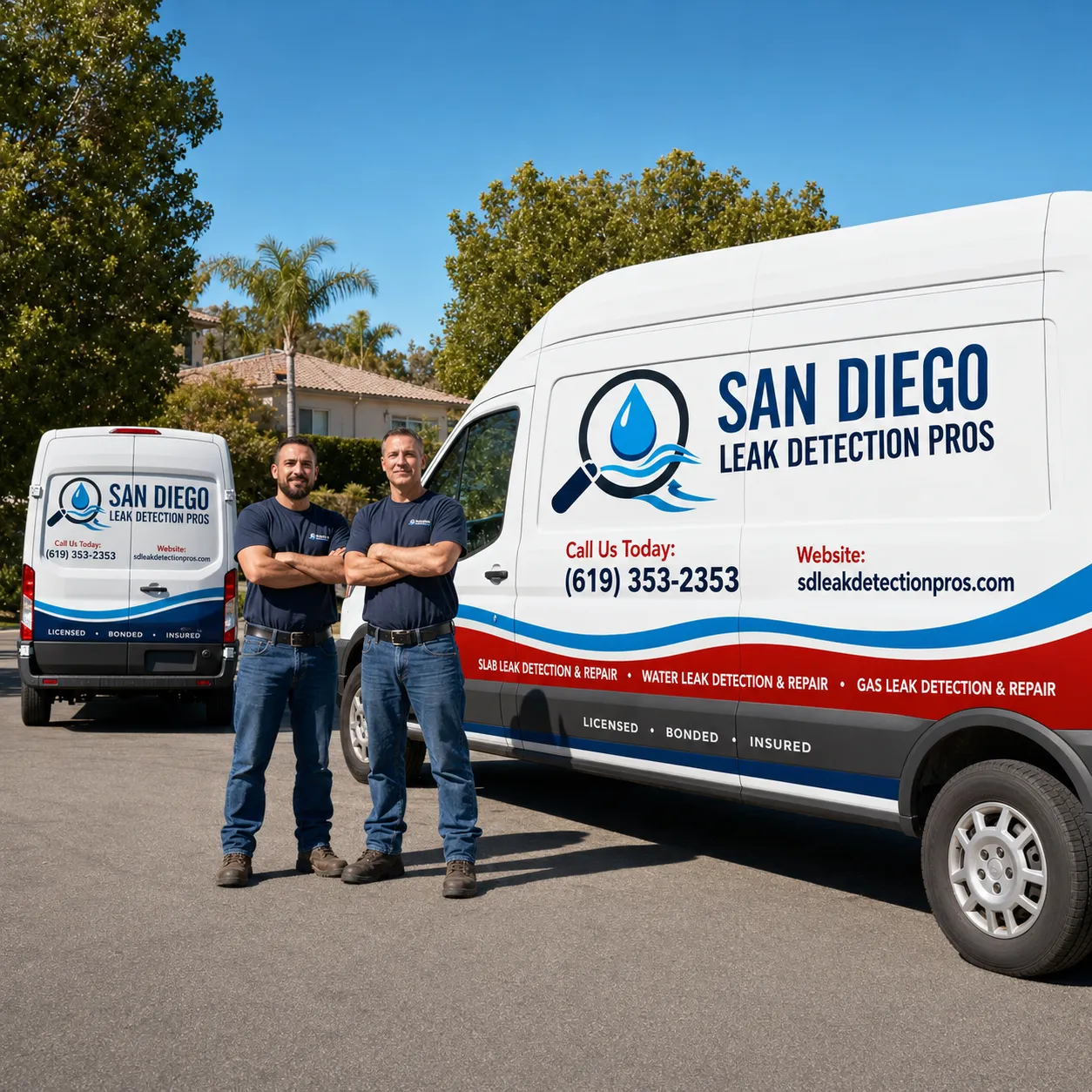
We judge gas work by one standard: would we be comfortable knowing our own family sleeps above it? That mindset shapes how we isolate, how we choose materials and how thoroughly we test before restoring service.
We also keep you informed throughout. You will know what failed, why it failed and exactly what was done to correct it. If we believe a larger problem exists, we tell you plainly rather than patching one joint and waiting for the next call.
Repair completes the job detection began, and other services can support it.
Find and confirm the leak before any repair so the fix targets the right spot.
Learn More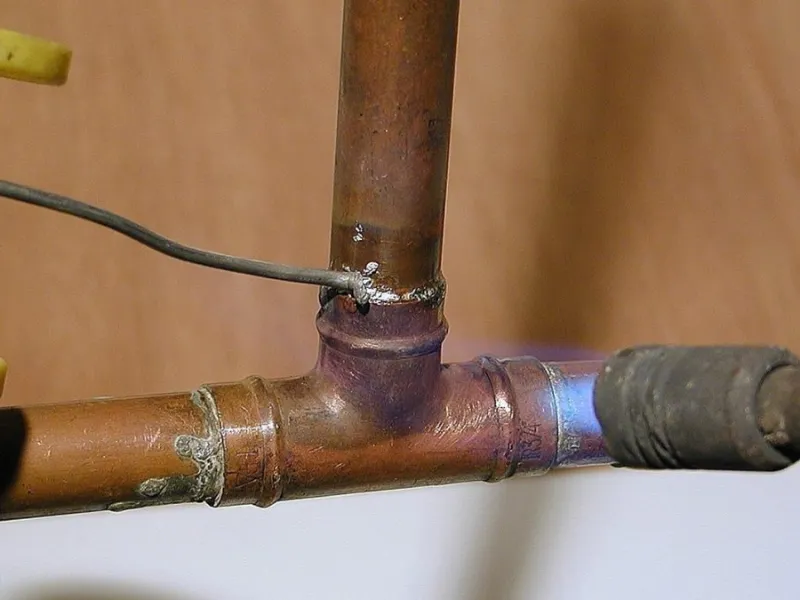
Repairs for water and drain piping when multiple systems need attention.
Learn More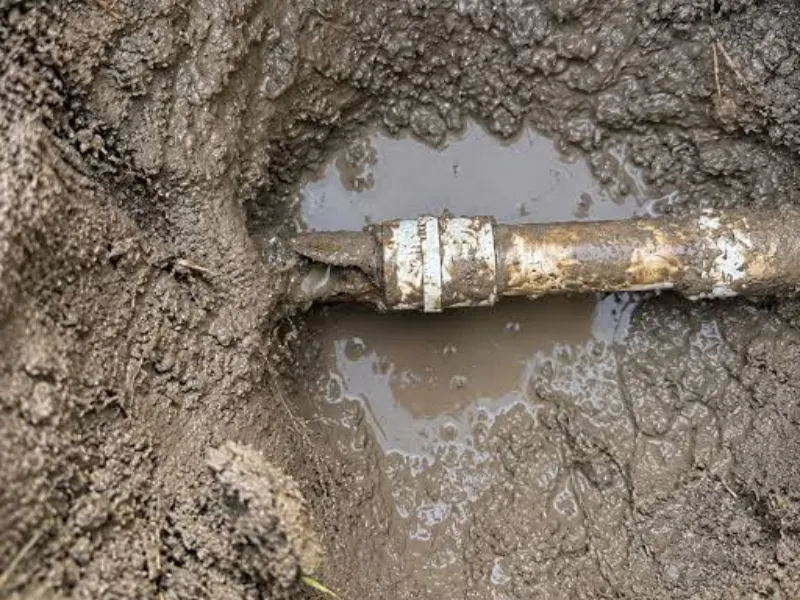
Gas line work should always be handled by a licensed professional. Improper repairs, wrong materials or incomplete testing can leave a dangerous condition. The risk far outweighs any savings.
Many repairs, such as replacing a fitting, valve or appliance connector, are completed within a few hours. Sections involving buried or concealed lines can take longer because access and testing take more time. We provide a clear timeline before starting, along with the price.
The affected section will be isolated during the work. We restore service once the repair passes its pressure and leak checks, and confirm your appliances are operating safely.
Yes. The flexible connectors behind ranges, dryers and water heaters are a common leak source, and we replace them with approved gas-rated connectors. We also check the shut-off valve serving each appliance while we are there.
We pressure test the system and sweep every joint we worked on with a combustible gas meter and soap solution. Service is restored only when the system holds and no leak is detected.
Buried gas lines can often be rerouted above ground rather than excavated. We will explain the options and recommend the safest, most durable solution for your property.
Yes. Our gas repairs are backed by a written workmanship warranty, and we complete a full detection check before finishing.
Get a licensed, code-compliant repair with pressure testing included. Fast scheduling and upfront pricing.