
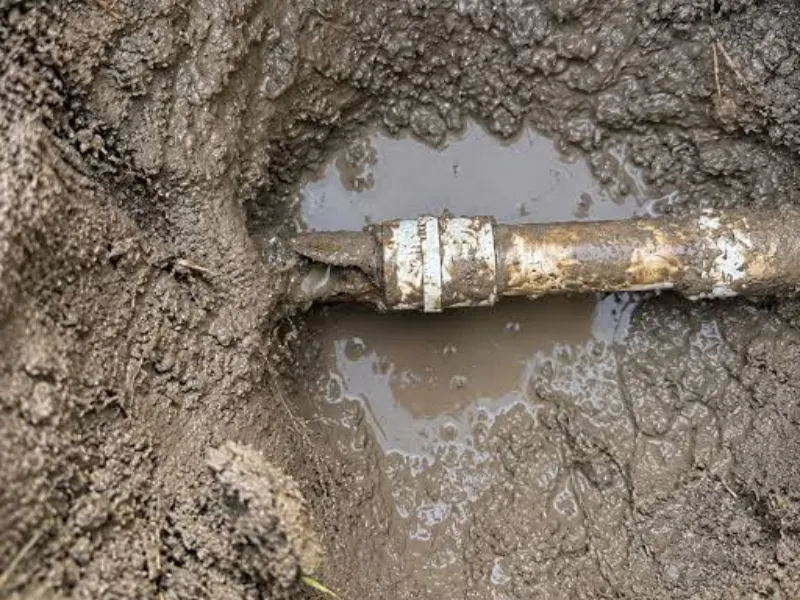
Water Leak Repair
Fast, lasting repairs for supply lines, fixtures and drain pipes once the source is known.
Learn MoreWater is good at hiding. It travels along joists, pools behind cabinets and seeps under flooring long before it shows on a wall. Our water leak detection in Vista finds the source using sound, heat and pressure so repairs target the real problem, not the stain.


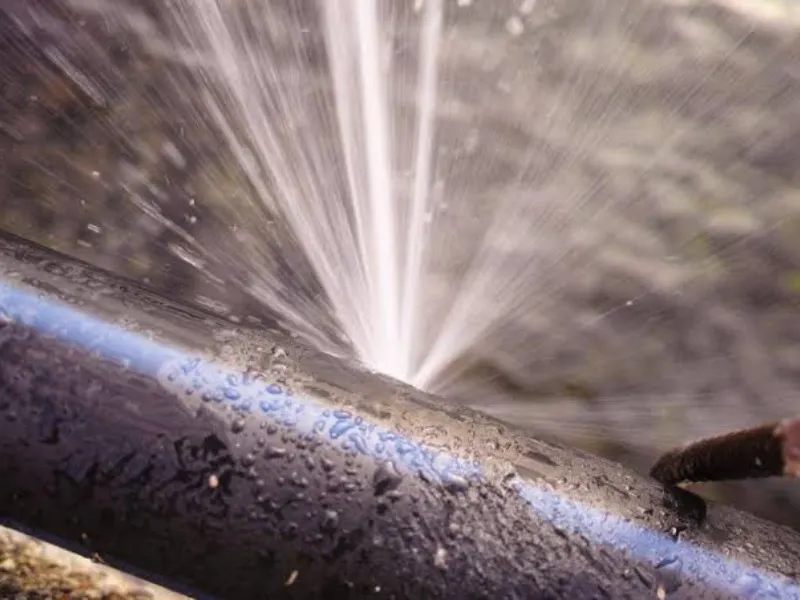
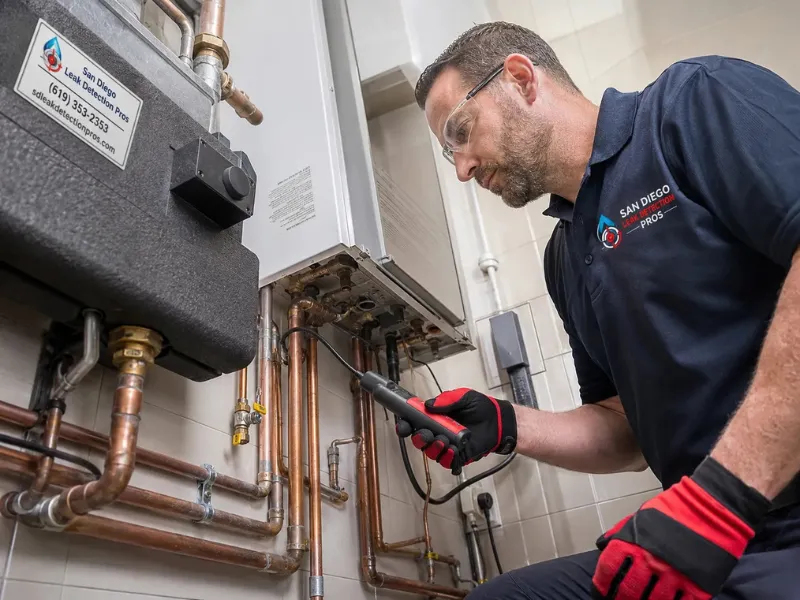
Water leak detection is a process of elimination supported by instruments. We begin by confirming an active leak, usually by checking the water meter with every fixture turned off. If the meter moves, water is escaping somewhere in the system. From there we isolate zones, hot versus cold, indoor versus outdoor, supply versus drain, until only one section remains, and we trace that section with acoustic sensors, moisture meters and thermal imaging.
This method matters because leaks are rarely where the damage appears. A stain on a first-floor ceiling might originate at a second-floor shower drain; a damp exterior wall might trace to an interior supply line. By testing systematically and confirming with more than one instrument, we avoid the common, expensive mistake of opening the wrong area and missing the real leak. For the full service overview, see our water leak detection page.
Individually these clues can seem minor. Together, they point to water where it should not be.
Usage that rises with no change in habits is the clearest financial clue of a leak.
A damp, earthy odor that never clears usually means mold is growing behind a surface.
Brown rings, bubbling paint or soft spots on walls and ceilings reveal escaping water.
Water heard in a wall or ceiling when fixtures are off points to a pressurized leak.
A drop or intermittent pressure at one fixture can signal a break in its supply line.
Cupped wood, loose tile or a spongy floor happens when moisture sits beneath the surface.
If the meter dials turn with everything off, an active leak is present right now.
Warmth under a floor often traces to a hot-water line leaking in the assembly below.
Organized, methodical and refreshingly clear for homeowners.
We review your symptoms, bill history and any visible moisture before we start testing.
Meter and pressure checks tell us whether there is an active leak and how large it is.
We narrow the system down and use acoustic and thermal tools to pinpoint the spot.
You receive a documented location and a clear recommendation for repair.
Different leaks respond to different tools. We bring them all and use the right combination for your Vista home.
Listen through walls and floors to hear the distinct sound of water escaping under pressure.
Reveal temperature differences that expose the path water takes behind surfaces.
Measure water content in drywall, wood and concrete to map the full extent of the problem.
Isolate and pressurize lines to prove which section is losing water and how quickly.
A few simple steps can tell you whether you likely have a leak and help our technician focus the inspection. None require tools or plumbing knowledge, and together they take about five minutes. Start with the meter test: turn off every fixture, appliance and irrigation zone, then look at your water meter. If the low-flow indicator is moving, water is being used somewhere you cannot see.
Next, check the toilet by adding a few drops of food coloring to the tank and watching the bowl; color in the bowl without a flush means the flapper is leaking. Finally, walk the property and look for soft spots, unusually green patches or constant dampness near the foundation.
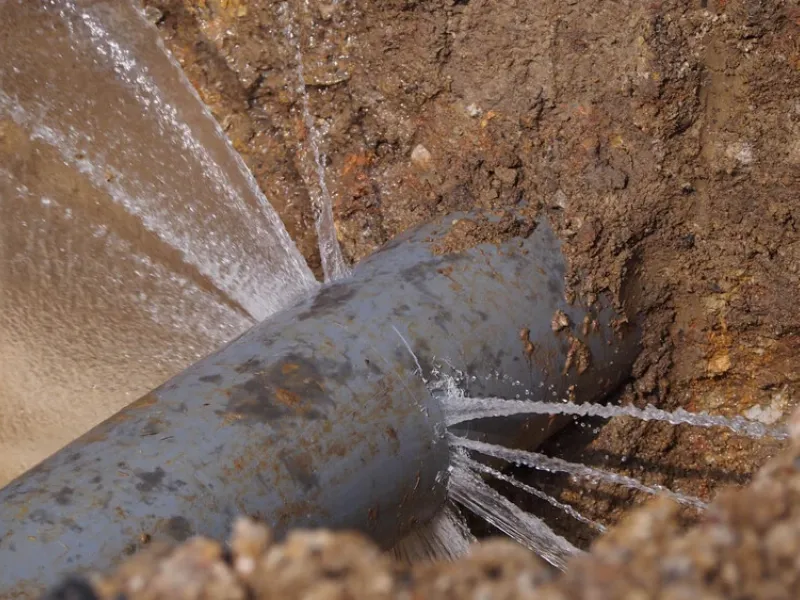
Vista's inland climate and mix of older and newer construction produce the full range of hidden water leaks, and hot inland summers stress pipe, slab and irrigation systems. Long dry spells bake and shrink the clay soils, then winter rain swells them again, flexing buried lines until a wear point opens. Meanwhile, many older neighborhoods still run the original supply lines, now decades past their expected life, where pinholes and failed joints are routine. Heavy irrigation use on large lots adds pressure cycles that quietly shorten the life of every fitting.
Because water follows the path of least resistance, hidden moisture can travel well beyond the actual leak before it shows, which is why detecting the source early keeps the repair small and the damage contained.
We quote flat, written estimates up front. These factors shape the price of water leak detection in Vista.
Larger homes and complex plumbing layouts take longer to isolate and test than a small single-bath property.
An accessible indoor leak is quick to find. Underground or below-slab leaks require more specialized equipment.
Insurance-grade reports, photos and same-visit repair are available. We explain options before any work.
We provide water leak detection throughout Vista, including Vista Village, Shadowridge, the Bonsall area and Buena Creek, serving ZIP codes 92081, 92083 and 92084.
We also serve the surrounding North County communities, so if you are just outside Vista we can still help.
See All Vista ServicesDetection is the starting point. These services handle what comes next.
Fast, lasting repairs for supply lines, fixtures and drain pipes once the source is known.
Learn More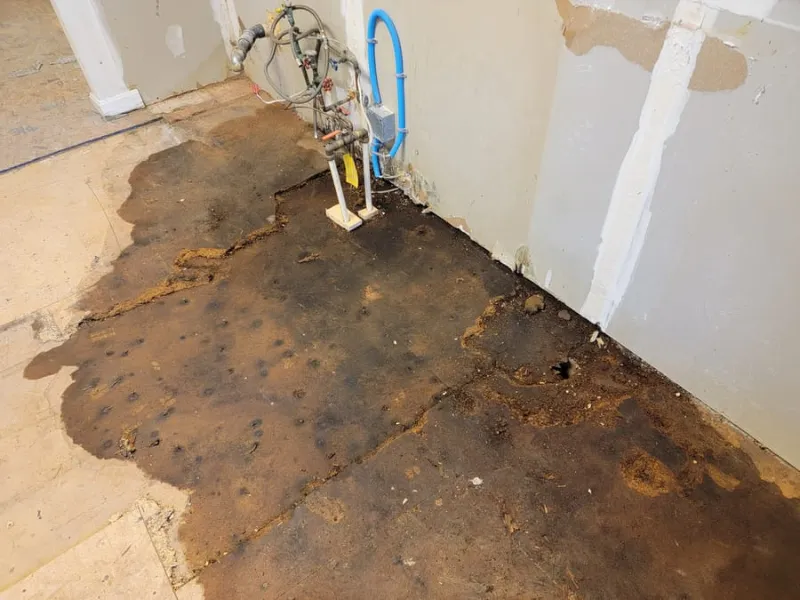
When the lost water is beneath your foundation, this is the specialized service to call.
Learn More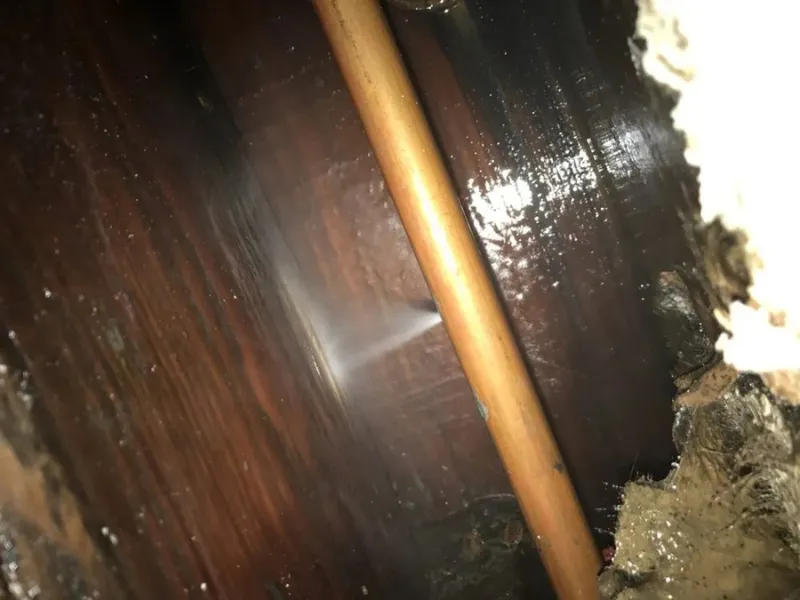
The simplest test is to shut off every fixture and appliance, then watch your water meter. If the dial still moves, water is escaping somewhere. An unexplained bill increase or persistent damp smell are strong secondary signs.
Yes. Acoustic sensors and thermal imaging let us detect and trace leaks through drywall, tile and plaster without opening the wall until the location is confirmed.
We do. Irrigation lines, main service lines and other buried plumbing can be traced with electronic and acoustic equipment to locate underground leaks without widespread digging.
Most inspections are completed within two hours. Complex systems with multiple suspected leaks may take longer, and we always share findings before we leave.
No. Detection is non-invasive. We do not cut, drill or demolish during the inspection. Any access needed for repair is discussed and agreed with you first.
We mark the location, document it with photos and recommend the most sensible repair through our water leak repair service. You decide how to proceed, and we can often handle the repair the same visit.
It can be. Beyond water damage and mold, hidden moisture near wiring or in a hot-water line poses additional safety concerns. Prompt detection and repair are the safest route.
Get an accurate, non-invasive answer today and stop the damage at the source. Free estimates available.