
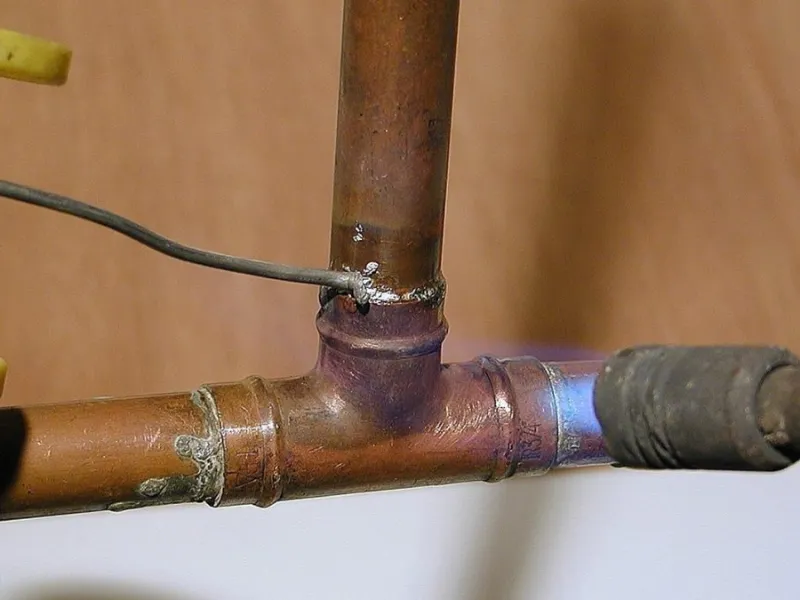
Pipe Leak Repair
Durable repairs that restore flow and stop the loss once the leak is located.
Learn MoreA leaking pipe rarely reveals itself where the damage appears. Our pipe leak detection in Carmel Valley locates the exact failure point in supply, drain and concealed piping so repairs open a small area instead of a whole wall. Copper, PEX, galvanized, PVC and CPVC, above the slab or buried below it.


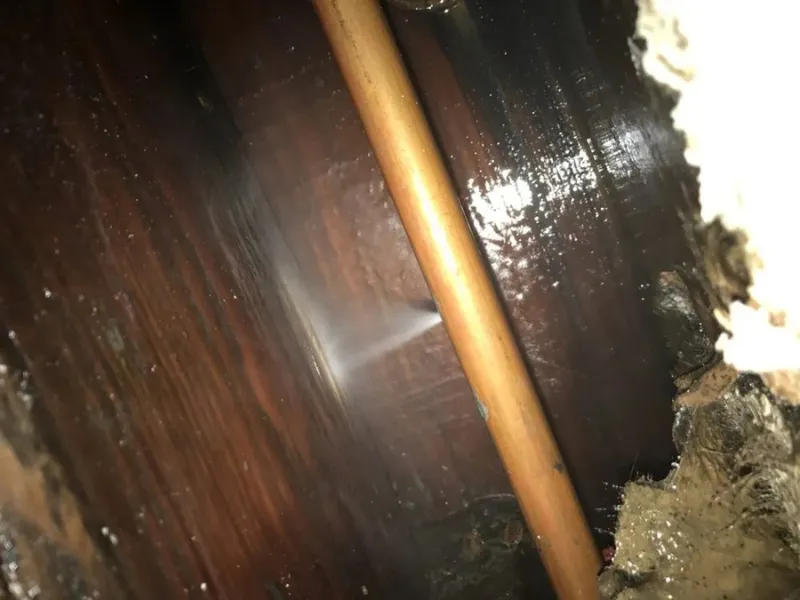
Pipes fail in ways that are easy to predict. Copper thins and pits until it develops pinholes; galvanized steel rusts from the inside and closes up with scale; plastic cracks or loosens at the joint; and any material running beneath a slab is exposed to soil movement and abrasion. In Carmel Valley, where hillside lots send water lines along long, angled paths and the ground swells and settles with the seasons, a small weeping joint can stay out of sight until it shows up as a climbing water bill or a spongy patch of floor.
Pipe leak detection is about narrowing the system, not guessing. We confirm an active leak at the water meter, separate hot from cold and supply from drain, then use acoustic listening, electronic line tracing and pressure testing to find the exact failure. Thermal imaging reveals moisture that has already spread behind a surface. Because pipes are concealed more often than not, precision is everything: it is the difference between a two-inch repair and a ten-foot exploratory opening. For the full service overview, see our pipe leak detection page.
Pipe leaks hide behind walls, floors and the slab. These clues point to a pipe that needs to be located.
A drop at one or every fixture often means a supply line is losing water before it reaches the tap.
Rusty or cloudy water can indicate a corroding galvanized or steel pipe nearing failure.
Water heard or seen when nothing is running points to a pressurized line leaking nearby.
Bubbling paint, soft drywall or a spongy floor reveals water escaping behind a surface.
Usage that climbs with no change in habits usually means a pipe is losing water continuously.
If the meter moves with all fixtures off, water is escaping from a pipe right now.
A hot-water pipe leaking below the floor often warms a small patch of flooring.
A damp, earthy smell that never clears tells you water is sitting behind a surface.
A methodical search that takes you from symptoms to a marked pipe location.
We review pressure changes, water use and visible moisture to focus the search.
Meter and pressure checks confirm an active leak; we then isolate hot, cold, supply and drain.
Acoustic and electronic equipment trace the pipe and locate the exact failure point.
You receive a marked location, photos and clear repair options.
We combine several methods so a finished wall or slab is never opened on a guess.
Amplify the sound of pressurized water escaping to hear the leak through walls and slabs.
A signal transmitter maps the hidden path of a pipe so we know exactly what runs below.
Isolating sections proves which line is losing pressure and how quickly.
Reveals the temperature signature of water that has spread behind a surface.

Carmel Valley's hillside lots are the story behind many of its leaks. Water and supply lines here can travel long, hard-to-trace paths down a slope before they reach a fixture, and the region's steep grades put steady stress on supply and retaining lines as the soil expands and contracts. Add irrigation runs feeding landscaped yards and the picture is clear: even newer homes can develop slab and irrigation leaks because the ground beneath them is always moving. Newer construction reduces corrosion risk, but it does nothing to stop physical stress on a pipe.
Copper lines that were installed a few decades ago may already be pitting, and plastic fittings can loosen as the ground shifts around them. The fix at the home level is consistent: locate the exact failure with instruments, then repair only what needs repairing. That approach protects your walls and floors, keeps the disturbance small, and spares your budget the cost of exploratory demolition.
We quote flat, written estimates up front. These factors shape the price of locating a pipe leak in Carmel Valley.
Older galvanized and thin-wall copper systems can be harder to trace and more likely to need a wider repair.
An accessible wall leak is fast to find. Under-slab or underground leaks take more equipment and time.
Once located, cost depends on the pipe section, fittings and code requirements. We explain options before any work.
We provide pipe leak detection throughout Carmel Valley, including Pacific Highlands Ranch, Torrey Hills, Del Mar Mesa and Carmel Country Highlands, serving ZIP code 92130.
We also serve the surrounding San Diego communities, so if you are just outside Carmel Valley we can still help.
See All Carmel Valley ServicesDetection is the first step. These services complete the job.
Durable repairs that restore flow and stop the loss once the leak is located.
Learn More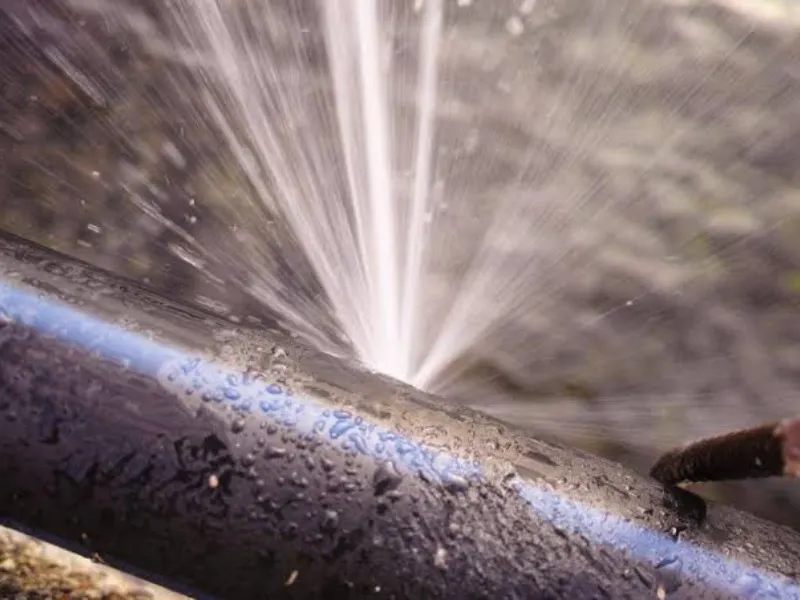
Find hidden water leaks in walls, floors and yards across Carmel Valley.
Learn More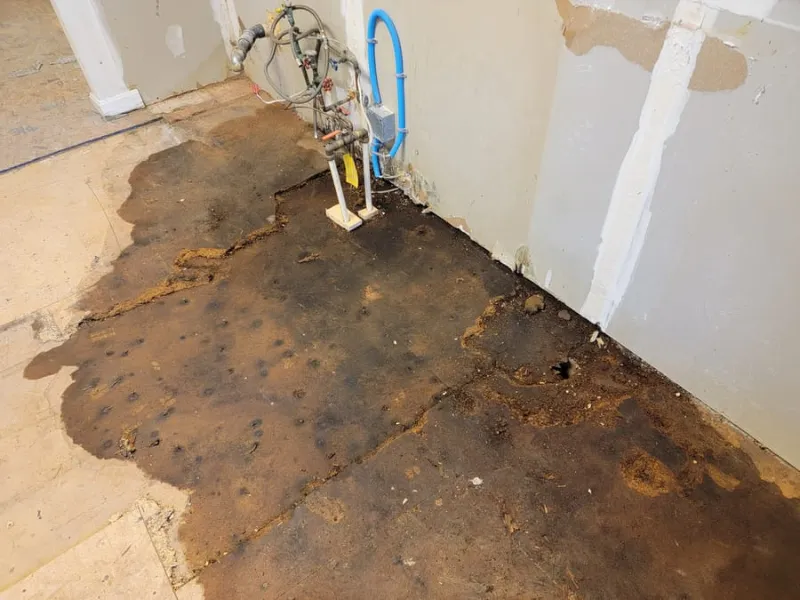
Pinpoint pipe leaks beneath your foundation without unnecessary digging.
Learn More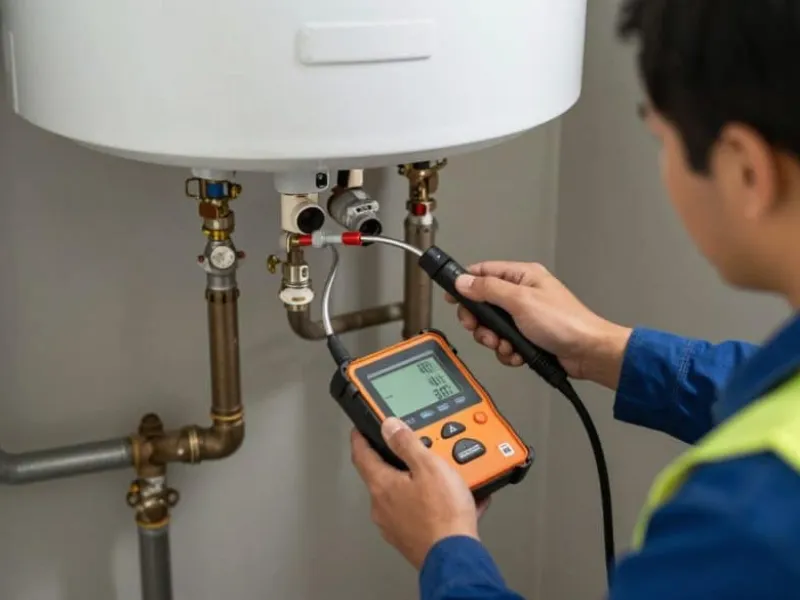
We isolate the plumbing into zones, then use acoustic microphones and electronic line tracing to hear and map the leak through the wall. We confirm the location before any opening is made.
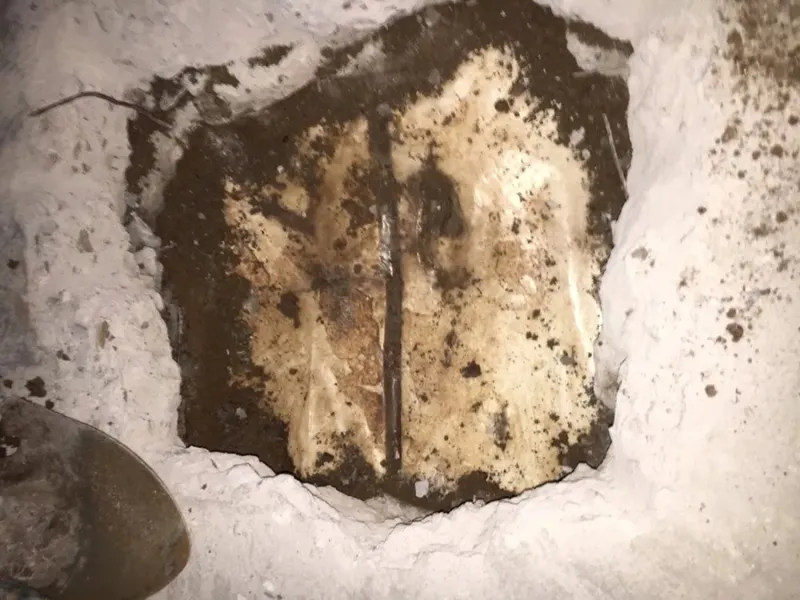
Yes. Slab and underground pipe leaks are among our specialties. Acoustic and thermal equipment narrows the leak to a small area so a repair crew opens the slab only where necessary. See our slab leak detection page.
We locate leaks in copper, PEX, galvanized steel, PVC, CPVC and drain lines, whether they run through walls, under floors or below the slab.
It depends on the pipe's condition. An isolated failure in an otherwise healthy line is usually a spot repair. A system with repeated failures or heavy corrosion is often better served by a repair or repipe. We explain the long-term math before you decide.
No. Detection is non-invasive. We do not cut or demolish during the inspection, and any access needed for repair is agreed with you first.
Most inspections are completed within one to three hours depending on complexity. We share findings and next steps before we leave.
Get a precise, non-invasive location today and stop the damage before it spreads. Free estimates available.