
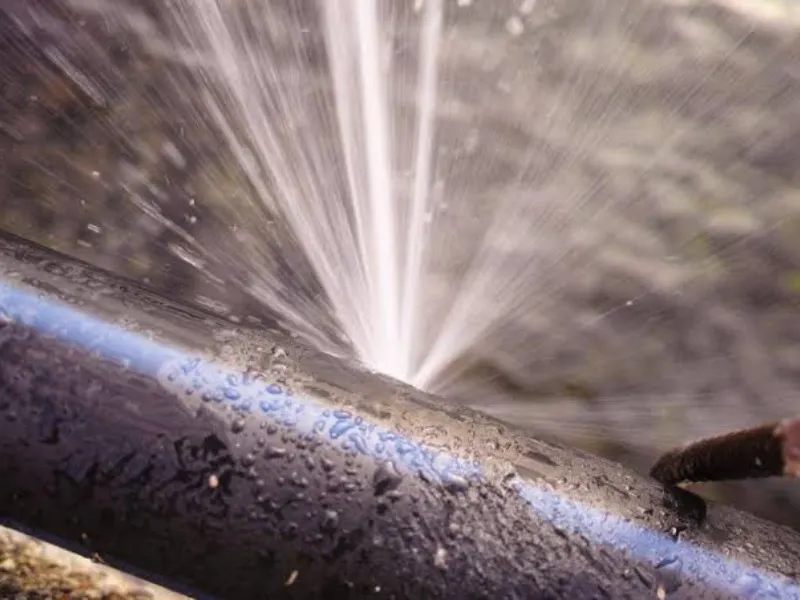
Water Leak Detection
Find hidden water leaks in walls, floors and yards across Carmel Valley.
Learn MoreA pool losing an inch of water a day is not simply evaporating. Our pool leak detection in Carmel Valley separates normal water loss from a real leak, then locates it in the shell, the plumbing, the skimmer or the equipment pad using dye testing, pressure testing and electronic listening.


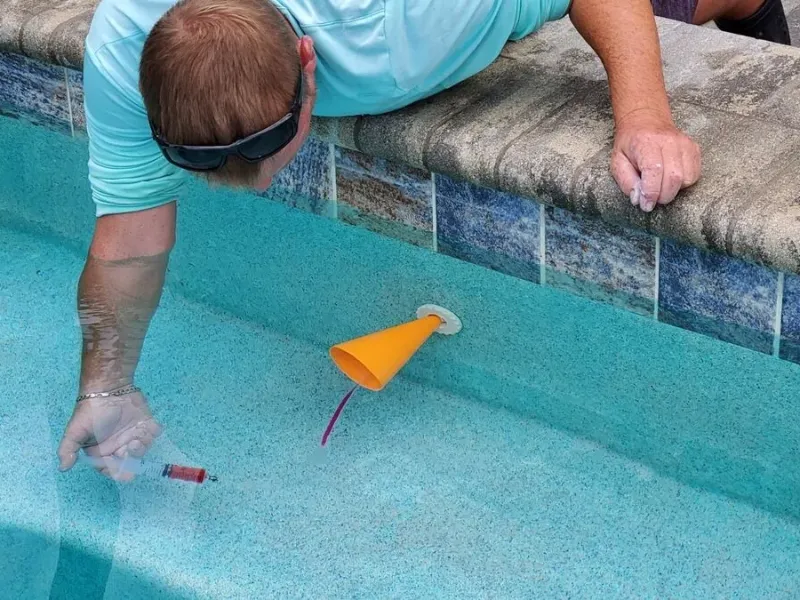
Carmel Valley's warm, dry summers mean every pool loses water to evaporation, which makes a genuine leak easy to overlook. The water-loss test is the starting point: a pool naturally loses a small amount to evaporation each day, but if it drops noticeably more than a bucket of water left beside it on the same deck, a leak is probably present. From there the goal is to work out where the water is going.
Pool systems leak in four broad places: the shell (cracks, fittings, lights), the skimmer and returns, the underground plumbing, and the equipment pad. We test each in turn. Dye testing reveals movement at the shell and fittings, pressure testing proves whether a buried line is losing water, and electronic listening helps trace the location underground. Equipment-pad leaks at pumps, filters and valves are checked visually and by pressure. The result is a specific location and a clear plan, so repair work is targeted rather than exploratory. For the full service overview, see our pool leak detection page.
Evaporation is normal. These signs point to a leak that is worth locating before it damages equipment or landscaping.
Losing more than a couple of inches a week, beyond evaporation, is the clearest sign of a leak.
Soft, wet ground or a slab that has shifted near the pool often means an underground line is leaking.
A pump that struggles to stay primed or pulls air can indicate a leak on the suction side.
Bubbles streaming from the return jets usually point to a leak drawing air into the suction line.
When the autofill runs constantly to hold the level, the extra water shows up on your bill.
New cracks in the shell, loose tile or a wobbling light niche can all be leak points.
Visible spray or a hiss near the pump, filter or heater indicates a pressure-side leak.
Constant water replacement and chemical loss can feed algae and make balancing the water harder.
A methodical test that separates evaporation from a real leak and finds its source.
We compare the pool's loss to a control bucket to confirm a leak exists beyond evaporation.
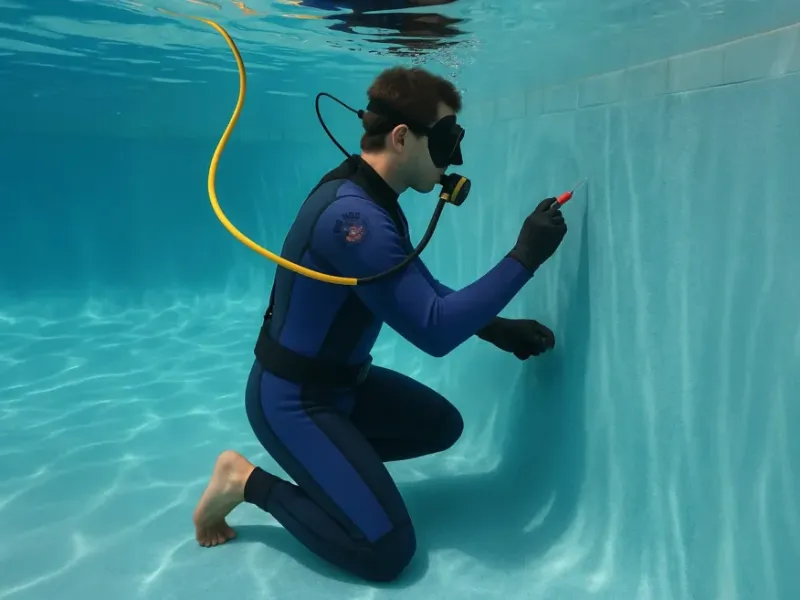
We inspect the shell, fittings, lights and skimmer and use dye to reveal moving water.
We isolate and pressurize the underground lines to prove which run is losing water.
You receive the confirmed location and a clear recommendation for the repair.
No single test finds every pool leak. We layer several methods to confirm the source.
A colored dye is released near suspect spots to reveal water moving into a crack or fitting.
Isolating each line proves whether buried plumbing is losing water and where.
Sensitive listening devices help trace underground leaks without digging up the deck.
Pumps, filters, valves and heaters are checked for pressure-side leaks and air intrusion.
Carmel Valley has a large number of pools and spas, and its hillside lots are unusually tough on them. Many are set into slopes or terraces, so the deck and shell sit on ground that shifts as the soil swells and dries. That movement stresses the plumbing and can separate buried lines or crack the shell, while long runs from the pool to a distant equipment pad give a leak more places to hide. Salt-water systems add a further corrosion factor at the fittings, lights and equipment.
Ignoring a leak costs more than water. A pool whose autofill runs constantly can erode the soil under the deck, undermine the shell, and shorten the life of the pump, and balancing chemicals on constantly replaced water gets expensive too. Finding the leak early keeps the repair small and protects the whole system, which is why we confirm the location before recommending any work.
We quote flat, written estimates up front. These factors shape the cost of locating a pool leak in Carmel Valley.
Spas, waterfalls, fountains and multiple pumps add test points and time to the inspection.
A fitting or skimmer leak is quick to confirm. Underground plumbing leaks take pressure testing and tracing.
Once located, cost depends on the repair method, whether a line can be patched or must be rerouted. We explain options first.
We provide pool leak detection throughout Carmel Valley, including Pacific Highlands Ranch, Torrey Hills, Del Mar Mesa and Carmel Country Highlands, serving ZIP code 92130.
We also serve the surrounding San Diego communities, so if you are just outside Carmel Valley we can still help.
See All Carmel Valley ServicesThese services complete the picture when a pool leak is part of a wider water issue.
Find hidden water leaks in walls, floors and yards across Carmel Valley.
Learn More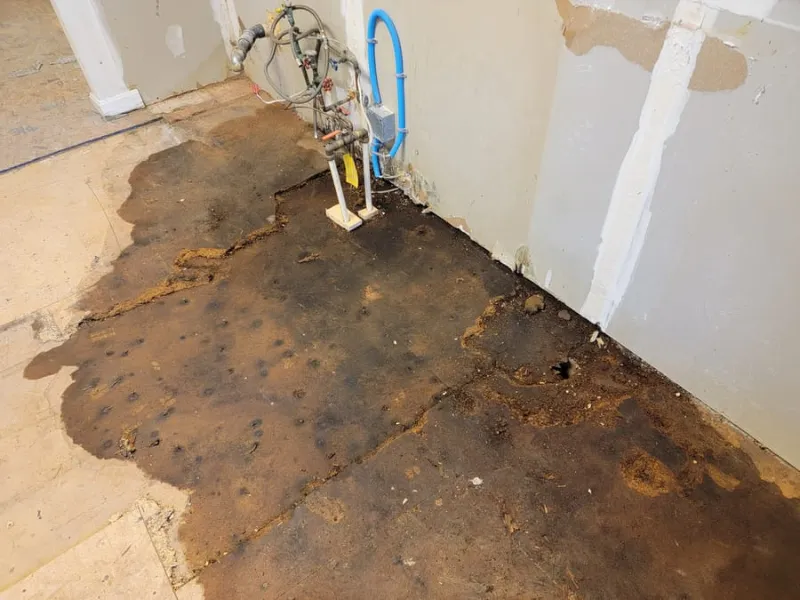
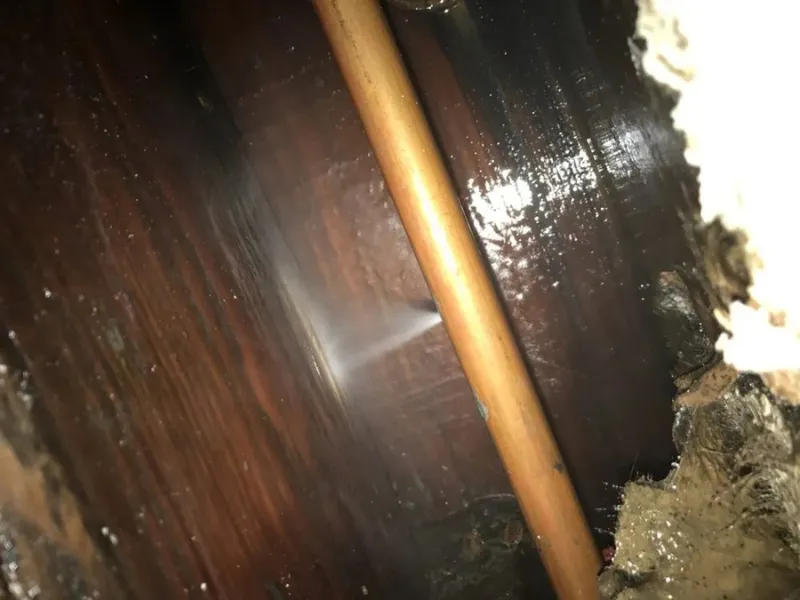
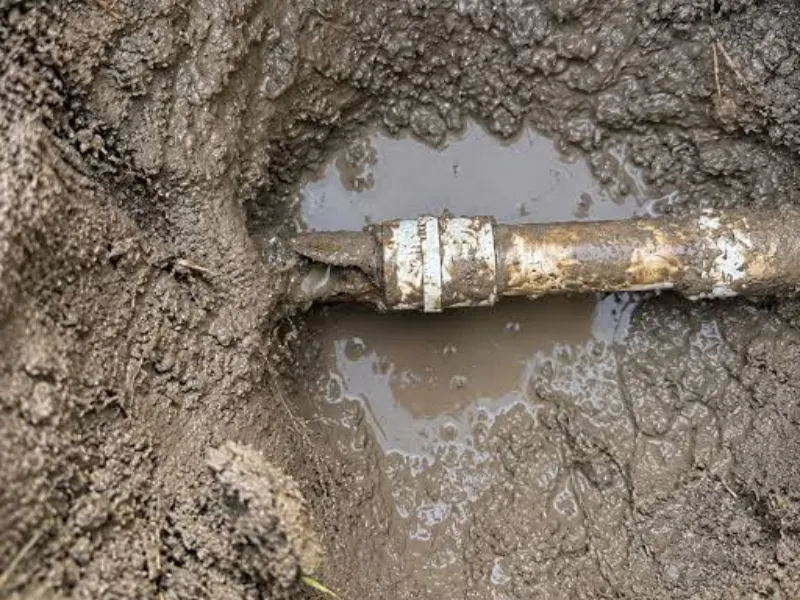
Repairs for supply lines, fixtures and drains once the source is known.
Learn More
Evaporation varies with heat, wind and humidity, but a pool typically loses a small fraction of an inch per day. If yours drops noticeably more than a bucket of water left on the deck over the same period, a leak is likely.
We start with a water-loss test, then dye-test the shell, fittings, lights and skimmer, pressure test the underground lines, and inspect the equipment pad. Each method confirms a different possible source.
Yes. Pressure testing and acoustic listening let us determine which buried line is losing water and trace it without trenching the entire deck.
It can affect soil stability and nearby structures over time, especially on a slope where an underground line runs close to the house. Locating and repairing the leak early avoids that risk.
We locate the leak and recommend the right repair. From there we coordinate and, where applicable, complete the fix, then re-test to confirm the pool holds water.
Most inspections take one to two hours, depending on the pool's size, features and the number of lines to test. You receive findings the same visit.
Get an accurate, non-invasive diagnosis today and stop wasting water. Free estimates available.