
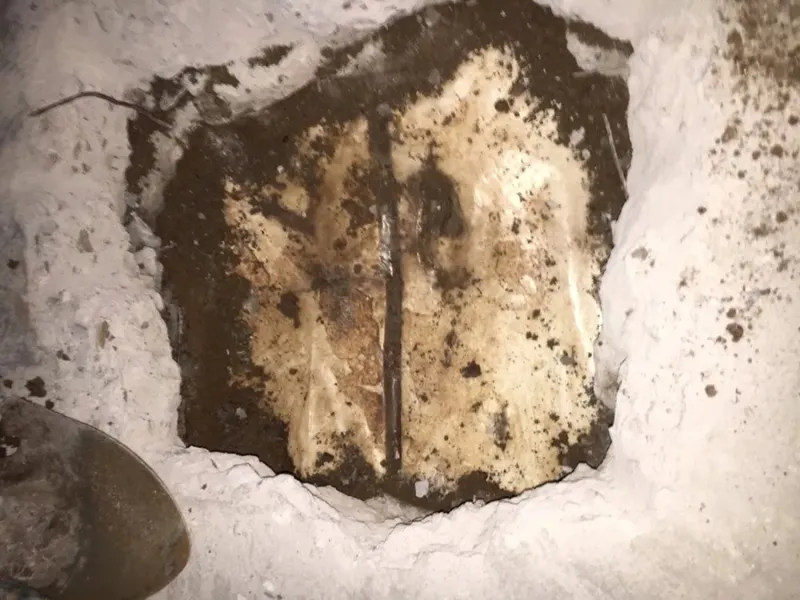
Slab Leak Repair
Once located, we repair the leak with the smallest possible access point.
Learn MoreWater escaping beneath a concrete foundation can run for months before it surfaces. Our non-invasive slab leak detection in Carmel Valley pinpoints the exact location using acoustic, thermal and electronic technology, so repairs stay small and your flooring is protected.


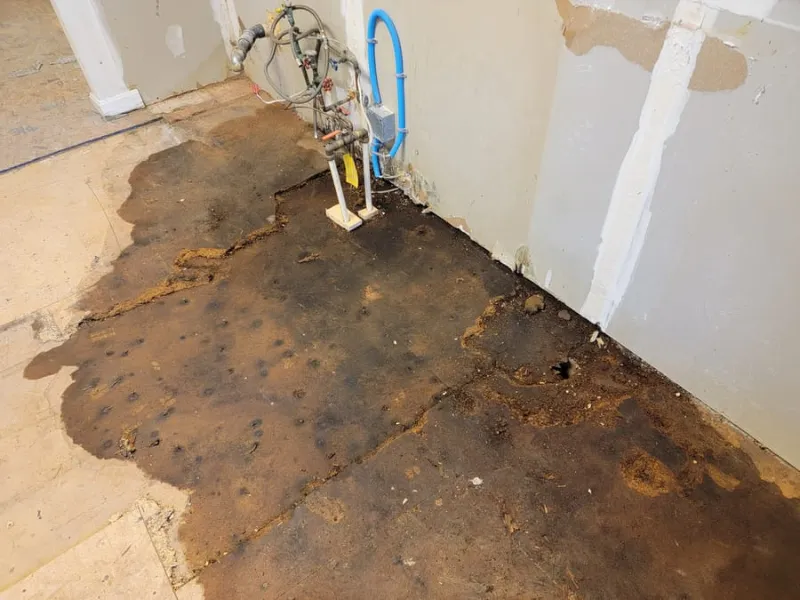
A slab leak happens when a pressurized supply line or drain pipe beneath your foundation develops a pinhole, a failed joint or corrosion. Encased in concrete, the pipe rarely fails in one obvious place; water surfaces wherever the slab allows. Carmel Valley's mostly slab-on-grade construction means nearly every home here is a candidate, and the hillside terrain makes it worse: on a sloping lot, groundwater and irrigation runoff travel long distances under the foundation before they show.
We narrow the search from your whole home down to a few inches of slab. After isolating the system and confirming the meter moves with every fixture off, we combine acoustic microphones, thermal imaging and electronic line tracing to follow the water to its source. For the full service overview, see our slab leak detection page.
Slab leaks rarely look like a puddle. Watch for these quieter clues and call before the damage spreads.
A hot-water line leak often warms a small patch of flooring from underneath.
Tile, laminate and hardwood can lift, cup or feel soft where moisture gathers.
Hearing water move when everything is off points to a pressurized line leak.
If the meter ticks with all fixtures shut off, water is escaping somewhere in the system.
A persistent damp smell that never clears is a classic sign of hidden moisture.
A break in a supply line often shows up as a sudden drop in pressure at the tap.
New cracks that appear near a wet area can signal soil movement under the slab.
A jump in water usage without a change in habits usually means water is being lost underground.
A calm, methodical inspection with same-day answers.
We ask about your symptoms, water usage and any recent plumbing changes to focus the search.
We shut off fixtures and appliances, then confirm whether the meter indicates an active leak.
Acoustic, thermal and electronic tools trace the leak to a precise spot on the slab.
You receive a marked location, photos and clear repair options before any work begins.
No single method finds every slab leak, so we layer several technologies to confirm the source.
Ground microphones amplify the sound of pressurized water escaping through the slab.
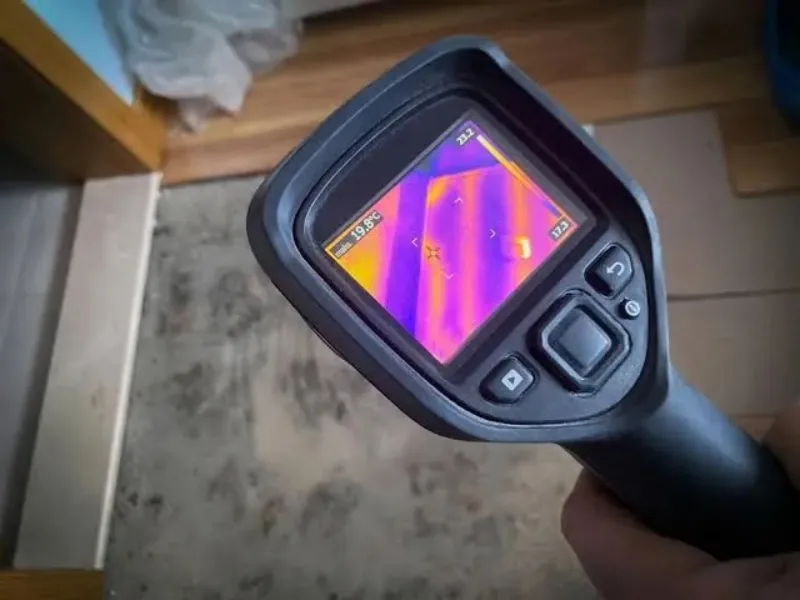
Thermal cameras reveal warm supply-line leaks and cool moisture patterns in the floor.
Signal transmitters map the hidden path of pipes so we know exactly what runs below.
Isolating sections confirms which line is losing pressure and how fast.
Once the leak is located, there is usually more than one way to fix it. We explain each option and its real cost so you can choose with confidence.
For an isolated failure, we open the smallest area possible, repair the damaged section and restore the surface. Best when the rest of the pipe is sound.
When a line under the slab keeps failing, we can abandon it and route a new line overhead or through the walls, avoiding large concrete work.
If corrosion affects multiple sections, replacing the plumbing can be more cost-effective than repeated repairs. We walk you through the math.
Carmel Valley's hillside geography is why so many of its homes spring slab and irrigation leaks, even when they are relatively new. On a sloping lot, irrigation water travels long, hard-to-trace paths, and steep grades put constant stress on supply lines and retaining structures as the soil swells and shrinks. That movement can abrade a pipe or loosen a joint under a foundation that otherwise looks sound.
A slab leak only gets worse with time. Water erodes the soil beneath the foundation, leading to settling, cracks and mold, and early detection is almost always cheaper than waiting because it limits damage to a small, targeted repair instead of a large reconstruction.
We quote flat, written estimates up front.
Larger single-story footprints and multiple wet areas take longer to isolate and test.
A single obvious hot-line leak is straightforward. Multiple or cold-line leaks take additional testing.
If a repair follows, cost depends on the method (spot repair, reroute or repipe) and flooring restoration. We explain options first.
We provide slab leak detection throughout Carmel Valley, including Pacific Highlands Ranch, Torrey Hills, Del Mar Mesa and Carmel Country Highlands, serving ZIP code 92130.
We also serve the surrounding San Diego communities, so if you are just outside Carmel Valley we can still help.
See All Carmel Valley ServicesSlab detection pairs naturally with our other leak and repair services.
Once located, we repair the leak with the smallest possible access point.
Learn More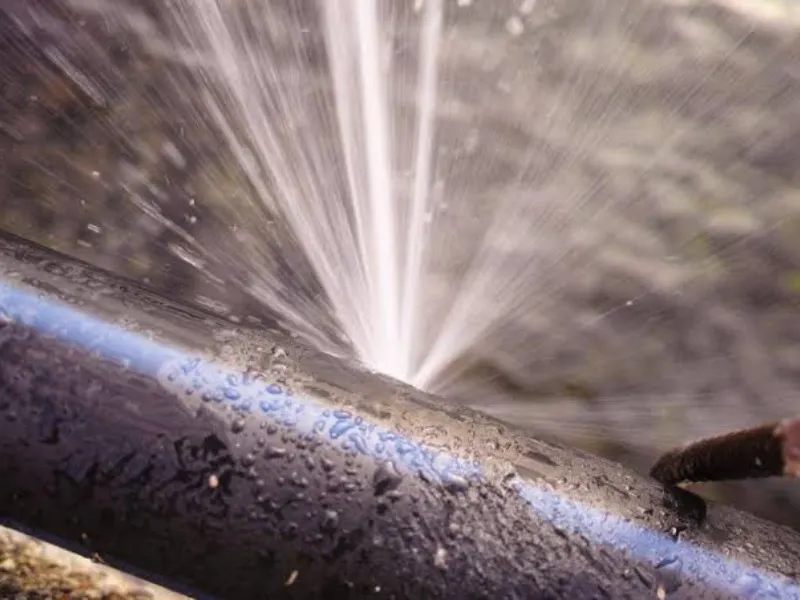
Find hidden water leaks behind walls, under floors and outdoors before they spread.
Learn More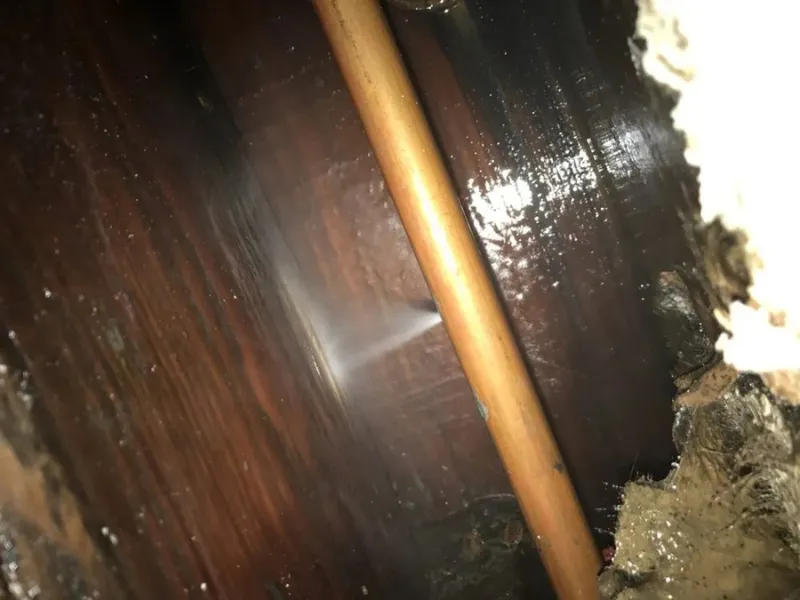
Locate leaks in copper, PEX, galvanized and PVC pipe anywhere in your system.
Learn More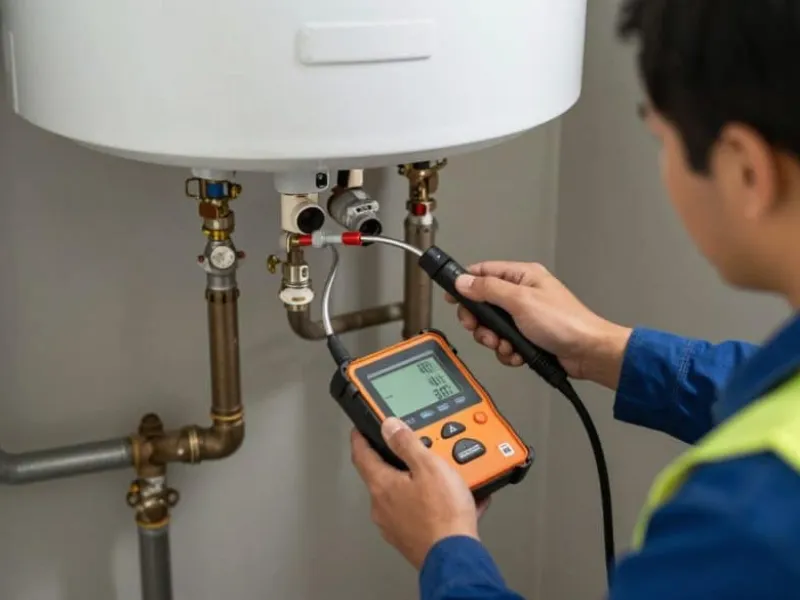
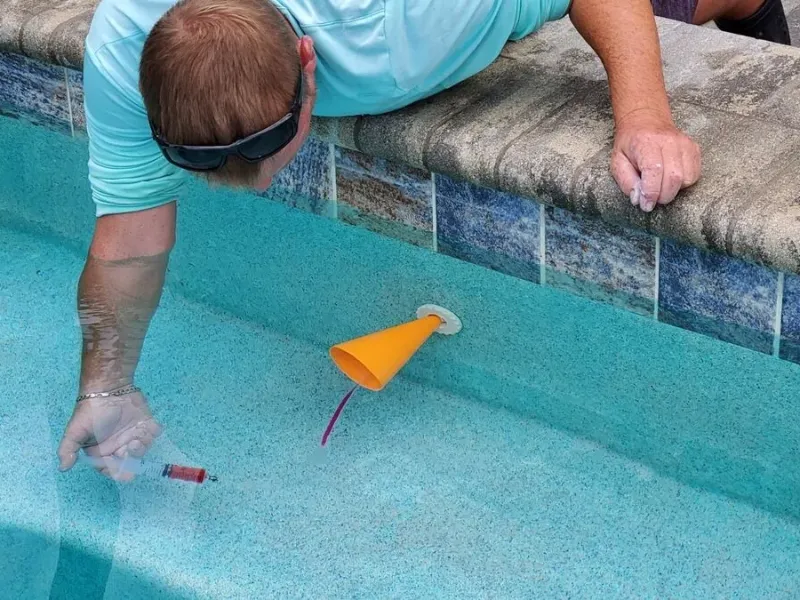
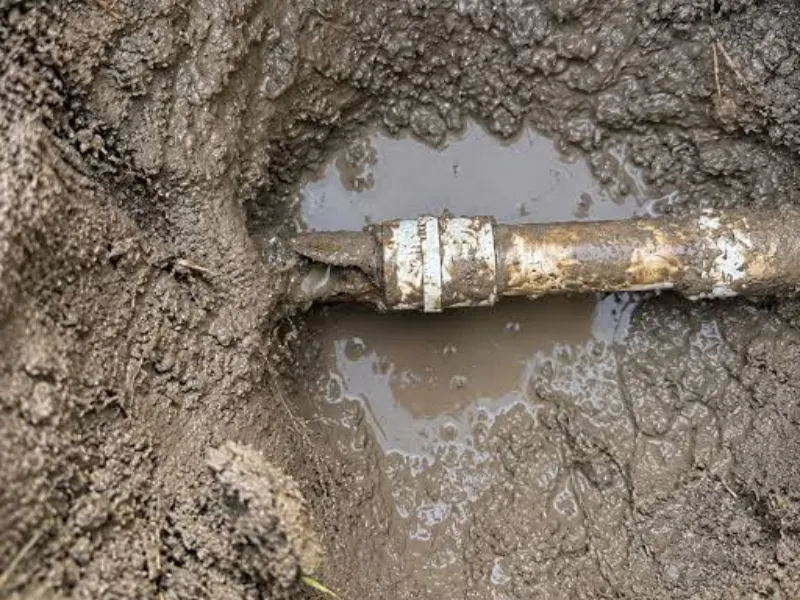
Lasting repairs for supply lines, fixtures and drains once the source is known.
Learn MoreWe isolate the plumbing system, then use acoustic microphones, thermal imaging and electronic line tracing to listen for and visualize the leak through the concrete. These tools let us narrow the location to a small area before any access is needed.
Most slab leaks come from corrosion or abrasion on supply lines, failed pipe joints, or shifting hillside soil that stresses the pipe under the foundation. Long irrigation runs on sloped lots also contribute.
Yes. Detection is non-invasive and usually takes one to three hours, with no dust and no demolition. We only ask that you avoid using water fixtures briefly during testing.
Coverage varies by policy, but many homeowner policies address the resulting damage or access costs for a sudden leak rather than the detection itself. We provide a clear written report and photos you can submit to your insurer.
No. A slab leak only gets worse over time as water erodes soil and widens the opening. Early detection is almost always cheaper, because it limits secondary damage to the floor and foundation.
Yes. Our team can move straight from detection into slab leak repair, using the smallest access point required, so you are not juggling multiple contractors.
Most inspections are completed within a couple of hours. More complex systems or multiple suspected leaks can take longer, but you receive findings and next steps the same day.
Get a precise, non-invasive diagnosis today and stop the damage before it spreads. Free, no-obligation estimates.